Quick Answer: What Affects Tactical Gear OEM & ODM Pricing?
Tactical gear OEM and ODM pricing is determined by seven major factors: material specifications, product construction, MOLLE and reinforcement requirements, components, design and sampling, order quantity, and quality or delivery terms.
Two tactical backpacks may look similar but have different manufacturing costs because their materials, internal structures, components, and production requirements differ.
OEM and ODM do not have fixed price differences. OEM projects often begin with buyer-provided designs or specifications, while ODM projects involve manufacturer-provided or manufacturer-supported design work. The actual cost depends on the product and the agreed scope of development and manufacturing.
At HUASHENG Tactical, our in-house design team can work with buyers on modifying existing products and developing new tactical gear based on their requirements.
Understanding what is included in a quotation helps buyers compare suppliers on a consistent basis rather than focusing on unit price alone.


OEM vs. ODM Pricing: What Actually Changes?
OEM (Original Equipment Manufacturing) typically involves manufacturing according to a buyer’s supplied design or specifications.
ODM (Original Design Manufacturing) involves the manufacturer providing or contributing to product design and development. This can include adapting an existing manufacturer-developed product or creating a new design based on buyer requirements.
The distinction is not absolute. An OEM project may still require engineering adjustments or sampling, while an ODM project may use an established design that requires limited development.
| Pricing consideration | OEM | ODM |
|---|---|---|
| Project starting point | Buyer-provided design or specifications | Manufacturer-developed design or buyer’s product concept |
| Design work | May require manufacturing review and modifications | May include design proposals, structural development, or revisions |
| Sampling | Based on the agreed specifications | Based on the agreed design and development scope |
| Manufacturing unit cost | Depends on product specifications and quantity | Depends on product specifications and quantity |
| Additional development costs | May apply | May apply |
Is ODM Always More Expensive Than OEM?
No.
An ODM project based on an established manufacturer-developed product may require relatively little development work. A complex OEM product, even with completed technical drawings, may need specialized materials, components, or manufacturing arrangements.
The cost difference is determined by the actual work involved, not by the OEM or ODM label alone.
For an accurate comparison, buyers should examine both the manufacturing unit price and any project-specific development charges.
1. Material Specifications and Consumption
Material selection affects more than the purchase price of fabric.
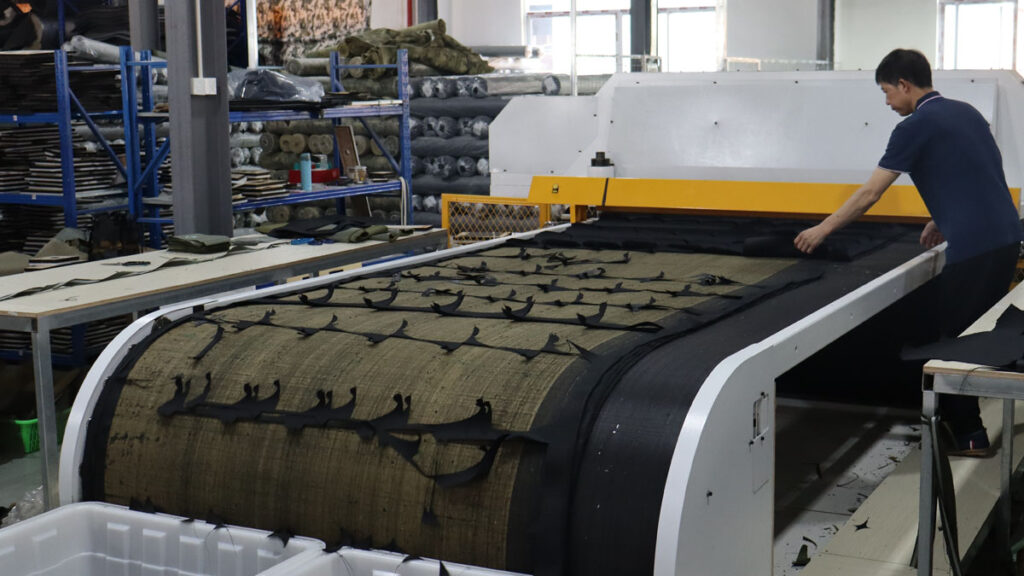
Two tactical backpacks may both use nylon but differ in fabric construction, weight, coatings, reinforcement, material consumption, and cutting efficiency.
Important quotation variables include:
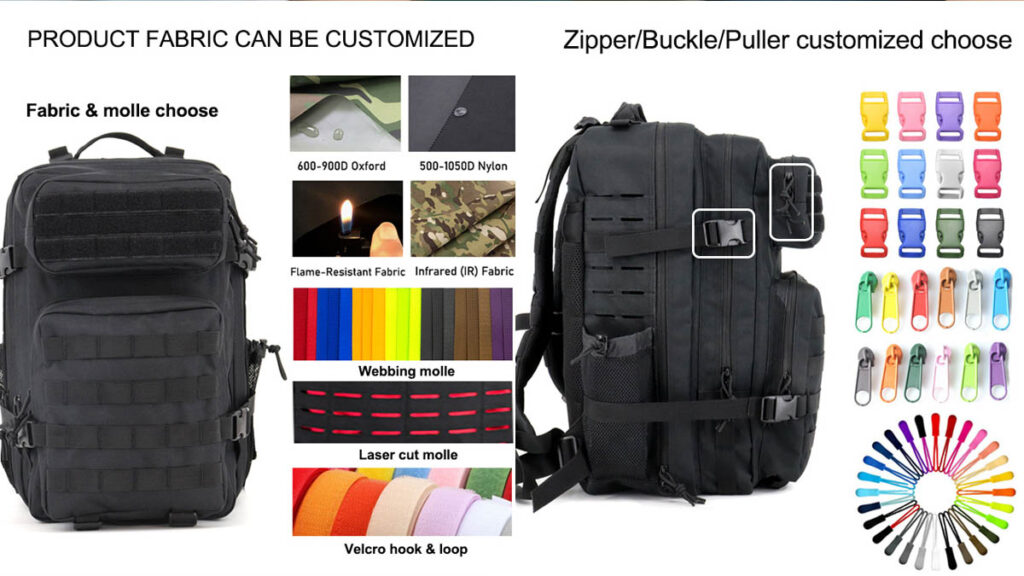
Fabric type, weight, and construction
Coatings and finishing requirements
Material consumption per unit
Standard versus specially sourced materials
Custom colors and supplier requirements
Cutting waste and production efficiency
For example, modifying a backpack’s dimensions may change its cutting layout and material consumption even if the fabric specification remains unchanged.
For OEM projects, the manufacturer can evaluate the buyer’s specified materials. For ODM projects, the design team can discuss suitable material options based on intended performance and production requirements.
Buyer takeaway: When comparing quotations, confirm the actual fabric specifications and material requirements rather than comparing fabric names alone.
2. Product Structure and Sewing Complexity
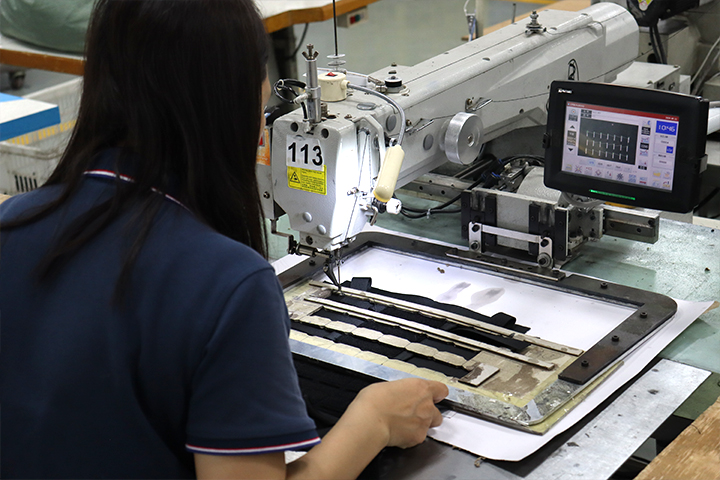
A product’s construction directly influences the operations required to manufacture it.
Additional compartments, reinforced load-bearing areas, internal organization, and adjustable carrying systems may increase cutting, sewing, assembly, and inspection work.
| Product feature | Potential cost impact |
|---|---|
| Additional compartments | More material and assembly operations |
| Reinforced shoulder straps | Additional reinforcement materials and stitching |
| Complex internal organization | More sewing and assembly steps |
| Adjustable carrying system | Additional components and installation |
| Modified dimensions | Pattern changes and altered material consumption |
Consider two hypothetical tactical backpacks with similar external dimensions.
One uses an established structure with standard compartments. The other has additional internal organization, reinforced straps, and a modified carrying system.
The second design may require more manufacturing work even though the finished products look similar.
Buyer takeaway: A meaningful quotation comparison requires construction details, not just product photographs.
3. MOLLE Systems and Reinforcement Requirements
MOLLE-compatible attachment systems can influence tactical gear pricing through material consumption, stitching operations, and construction requirements.
Relevant details include:
Webbing specifications and quantity
Attachment layout and spacing
Reinforcement methods
Sewing operations
Compatibility requirements
Inspection criteria
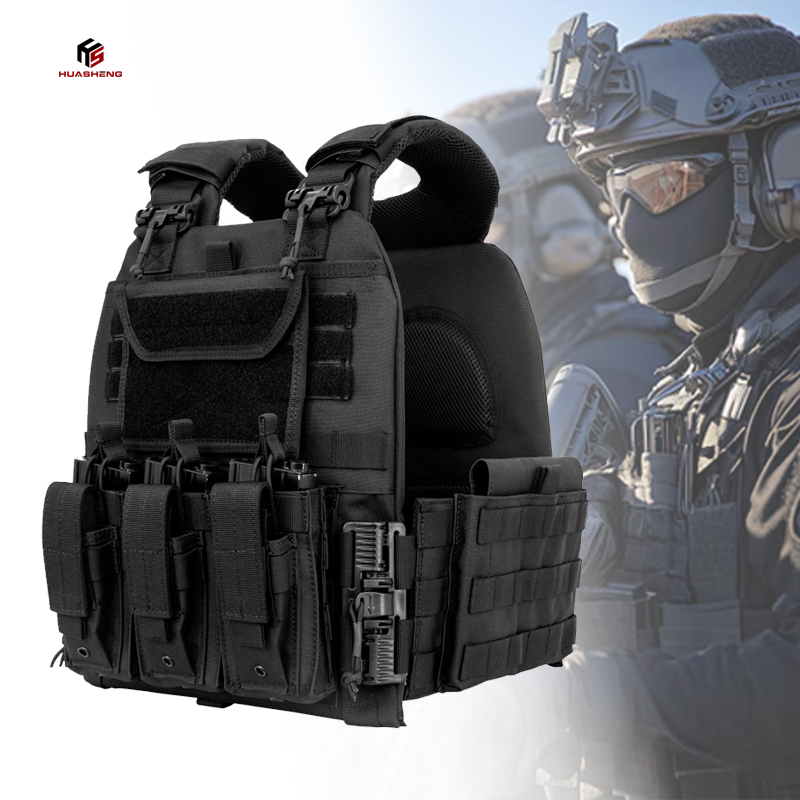
For example, adding reinforced attachment areas to a tactical vest can affect both material usage and production operations.
The cost impact depends on the required construction rather than the appearance of the webbing alone.
Buyer takeaway: Specify the intended attachment configuration and reinforcement requirements before requesting a comparable quotation.
4. Buckles, Zippers, Foam, and Other Components
The finished product’s cost includes much more than its main fabric.
Tactical backpacks, plate carriers, chest rigs, and pouches may contain several types of hardware and supporting materials.
| Component | What affects pricing? |
|---|---|
| Buckles | Type, material, specification, availability |
| Zippers | Size, construction, supplier specification |
| Webbing | Material, width, quantity |
| Foam and padding | Type, thickness, shape, placement |
| Hook-and-loop fasteners | Specification, size, quantity |
| Specialized hardware | Sourcing, development, or tooling requirements |
Standard components and custom-developed components may have different purchasing and preparation requirements.
A component should be selected according to its intended function and agreed specifications, not simply because it has the lowest purchase price.
Buyer takeaway: Check whether suppliers have quoted equivalent components, particularly when the project specifies particular hardware or performance requirements.
5. Design, Prototyping, and Sampling Costs
Design and development can affect both the initial project cost and the final manufacturing unit price.
HUASHENG Tactical has an in-house design team that works with buyers on partial customization and new OEM/ODM product development.
Buyers can begin with product ideas, reference images, functional requirements, or existing products they want to improve. Complete technical drawings are not required for the initial discussion.
Which Development Activities Can Affect Pricing?
Depending on the project, relevant activities may include:
Product structure and pattern development
Material and component selection
Prototype or sample preparation
Design and sample revisions
Manufacturing feasibility assessment
Custom hardware or tooling preparation
These activities do not automatically generate separate fees in every project. The quotation should specify what is included and what, if anything, is charged separately.
One-Time Development Costs vs. Recurring Unit Costs
This distinction matters when comparing OEM and ODM quotations.
Development-related charges may cover agreed design work, sample preparation, or tooling. These are assessed according to the project and its commercial terms.
Recurring manufacturing costs relate to producing each unit under the confirmed specifications.
A design change can affect either category or both.
For example, adding a new compartment may require pattern modifications during development and additional sewing operations during bulk production.
Why Can the Final Quotation Change After Sampling?
An initial estimate may be based on preliminary specifications.
If sampling results in changes to fabric, components, product dimensions, or construction, the manufacturer may need to update the quotation.
The final price should reflect the confirmed production requirements.
For a more detailed explanation of sample development, read Inside Tactical Gear Sample Development.

6. Order Type, MOQ, and Production Quantity
Order quantity can affect purchasing and manufacturing costs, but MOQ and unit price are different concepts.
MOQ defines the minimum accepted quantity under specified conditions. Unit price represents the agreed price per finished product.
HUASHENG offers three sourcing options:
| Sourcing option | Starting MOQ | Main pricing considerations |
|---|---|---|
| Ready-Stock Private Label | 50–150 pieces, depending on the model | Existing product, supported branding, packaging |
| Partial Customization | From 500 pieces | Design modifications, materials, sampling, manufacturing adjustments |
| Full OEM/ODM Development | Assessed individually | Design scope, development, materials, production requirements |
These options describe the level of customization and should not be treated as fixed definitions of OEM or ODM.
Does a Larger Order Always Reduce Unit Price?
Not necessarily.
A larger quantity may spread certain setup costs across more units or change material purchasing conditions. However, the result depends on the actual product and manufacturing requirements.
For detailed order minimums and customization options, read our Tactical Gear MOQ Guide.
7. Quality, Packaging, and Delivery Requirements
A manufacturing quotation should clearly identify the services and conditions included in the price.
These may include:
Agreed material and component inspections
Production and finished-product quality checks
Additional testing or inspection requirements
Product labeling and packaging
Carton specifications
Delivery arrangements and trade terms
For example, a quotation based on EXW terms should not be compared directly with a quotation based on FOB terms without considering the differences in included services and costs.
Additional buyer-requested testing, customized packaging, or other requirements may also affect the quotation.
Buyer takeaway: Confirm which services and commercial conditions are included before comparing suppliers.
Unit Price vs. Total OEM/ODM Project Cost
A lower unit price does not automatically mean a lower total project cost.
Buyers should distinguish the quoted manufacturing price from other applicable project charges.
A useful calculation is:
Total Quoted Project Cost = (Unit Price × Order Quantity) + Separately Quoted Charges
Separately quoted charges may include applicable design, sampling, tooling, testing, packaging, or delivery costs.
Charges already included in the unit price should not be counted again.
What Should a Complete Quotation Clarify?
| Quotation Item | What Buyers Should Confirm |
|---|---|
| Manufacturing unit price | Which product specifications and operations are included? |
| Development | Is any design or engineering work separately charged? |
| Sampling | Are prototypes and revisions included? |
| Tooling | Is custom tooling required, and how is it charged? |
| Quality requirements | Which inspections and tests are included? |
| Packaging | Is standard or custom packaging included? |
| Delivery | What trade terms and logistics services apply? |
| Commercial conditions | What are the payment terms, quotation validity, and agreed scope? |
For new designs, the parties should also clarify any relevant confidentiality, tooling-use, and design-ownership arrangements.
These should be agreed explicitly rather than assumed to be included in development charges.
How to Request an Accurate Tactical Gear OEM/ODM Quote
When requesting a quotation, buyers can start by sharing the following information:
| Information | Why It Matters |
|---|---|
| Product type and reference images | Identifies the product and its intended design |
| Existing design or new product concept | Clarifies the required design support |
| Functional and construction requirements | Defines manufacturing complexity |
| Material and component preferences | Establishes a more consistent cost basis |
| Estimated order quantity and variants | Supports production and purchasing evaluation |
| Required testing and packaging | Clarifies the quotation scope |
| Destination and preferred trade terms | Helps define delivery-related costs |
| Target price or budget, if available | Provides a reference for discussing possible design and material options |
A target price is useful for discussing alternatives, but it does not guarantee that the specified product can be manufactured within that target.
At HUASHENG, buyers can discuss both completed technical designs and early product concepts with our team.
For partial customization and new development, our in-house design team can help evaluate product requirements and possible design approaches before the final specifications and quotation are confirmed.
Frequently Asked Questions About Tactical Gear OEM & ODM Pricing
. Is ODM Manufacturing Always More Expensive Than OEM?
No. ODM may involve manufacturer-provided design work, but total cost depends on the actual product, development scope, and manufacturing requirements. Neither model is inherently cheaper.
2. Can HUASHENG Provide a Quote Without Finished Technical Drawings?
Buyers can begin by providing product concepts, reference images, and functional requirements. HUASHENG’s design team can discuss suitable design solutions. A more definitive quotation may require further specification and development review.
3. Are Prototype and Development Costs Included in the Unit Price?
Not always. These costs may be included or quoted separately depending on the agreed project scope. The quotation should clearly identify how they are handled.
4. Can Material Changes After Sampling Affect the Final Quote?
Yes. Changes to fabrics, hardware, product structure, or manufacturing requirements may affect the final quotation.
5. How Can Buyers Control Manufacturing Costs Without Compromising Essential Requirements?
Clearly define the required product performance and prioritize essential features. Where suitable, standard materials, established components, or simpler construction may reduce unnecessary complexity. Any alternative should still meet the agreed specifications.
6. What Is the Best Way to Compare OEM and ODM Suppliers?
Compare suppliers using equivalent product specifications, quantities, quality requirements, development services, packaging, and delivery terms. Review both unit prices and total project costs.
Final Thoughts: A Useful Quote Starts with Clear Requirements
Tactical gear OEM and ODM pricing depends on the actual product and project requirements.
Materials, construction, components, design work, manufacturing quantity, and commercial terms all influence the quotation.
For procurement teams, understanding these factors makes it easier to compare suppliers and evaluate the complete cost of a project.
For brands developing new products, discussing design and manufacturing considerations early can help establish a clearer basis for pricing.
Let's Shape the Right Product and Cost Plan Together
A tactical gear project should begin with the product’s intended purpose, essential features, and commercial priorities.
Whether you have a completed design, want to improve an existing product, or are exploring a new concept, HUASHENG Tactical can work with you to discuss suitable design and manufacturing options.
Share your drawings, reference images, functional requirements, estimated quantity, or target cost. Our team can review the project with you and help identify a practical direction for the next stage.