Most Buyers Think Production Starts When Sewing Begins
A lot of buyers think tactical gear production starts when fabric reaches the factory floor, but in reality, production usually starts much earlier.
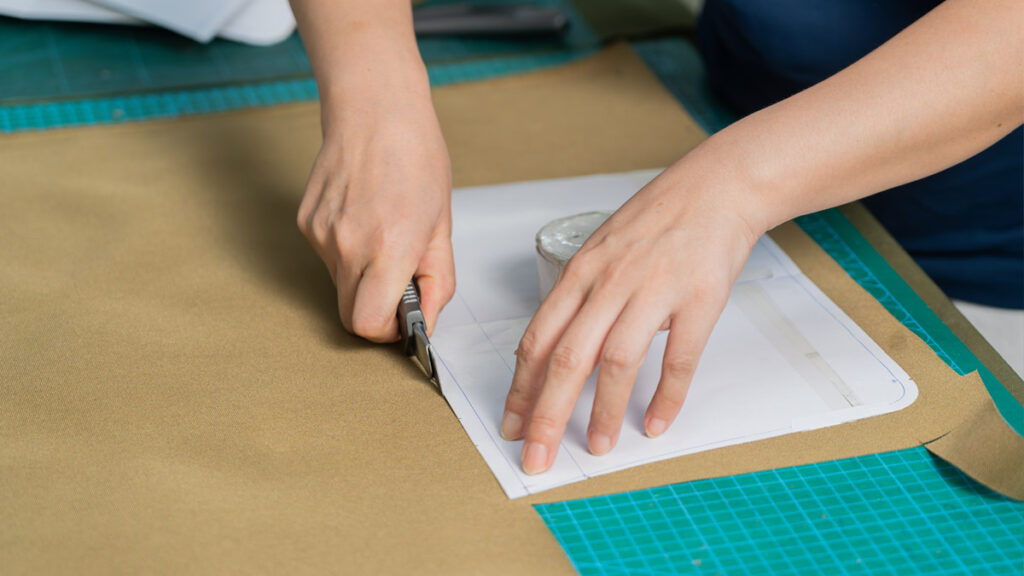
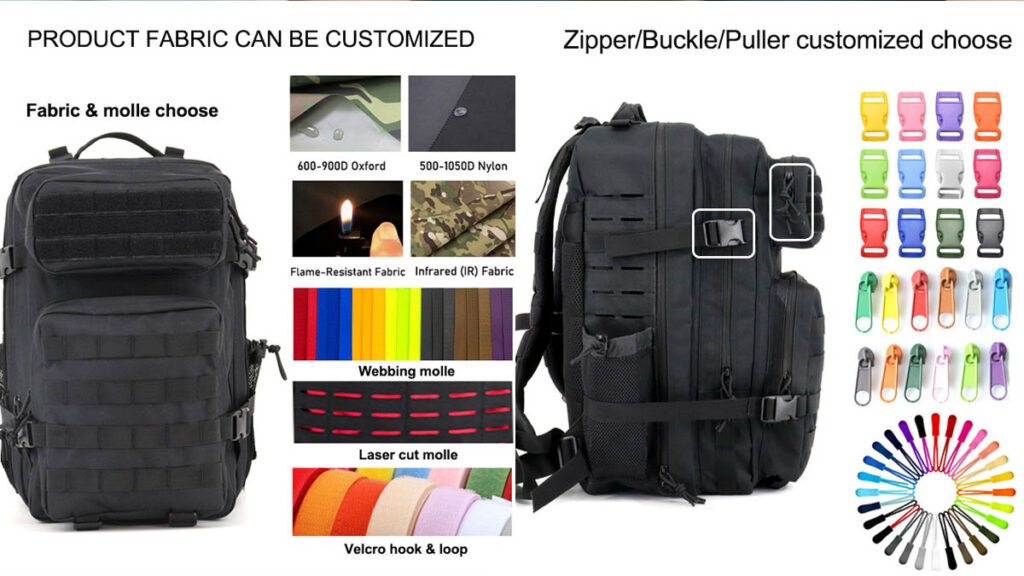
Before factories even begin cutting materials, there are already multiple things happening at the same time — material confirmation, supplier coordination, sample adjustments, logo placement checks, webbing selection, structure testing, foam confirmation, and production planning.
For tactical products, this process becomes more complicated because tactical gear usually involves thicker materials, reinforcement areas, MOLLE systems, multiple compartments, and more complex sewing structures than regular bags.
A tactical backpack may look simple from the outside, but internally, multiple material systems are already connected together before production even begins.
Material Confirmation Usually Comes First
One of the biggest misunderstandings in tactical gear manufacturing is that buyers think materials are simple.
In reality, material selection already affects pricing, MOQ, production timing, durability, comfort, and even final product weight.
For example, changing fabric from standard black nylon to a custom color may already affect supplier lead time and MOQ requirements.
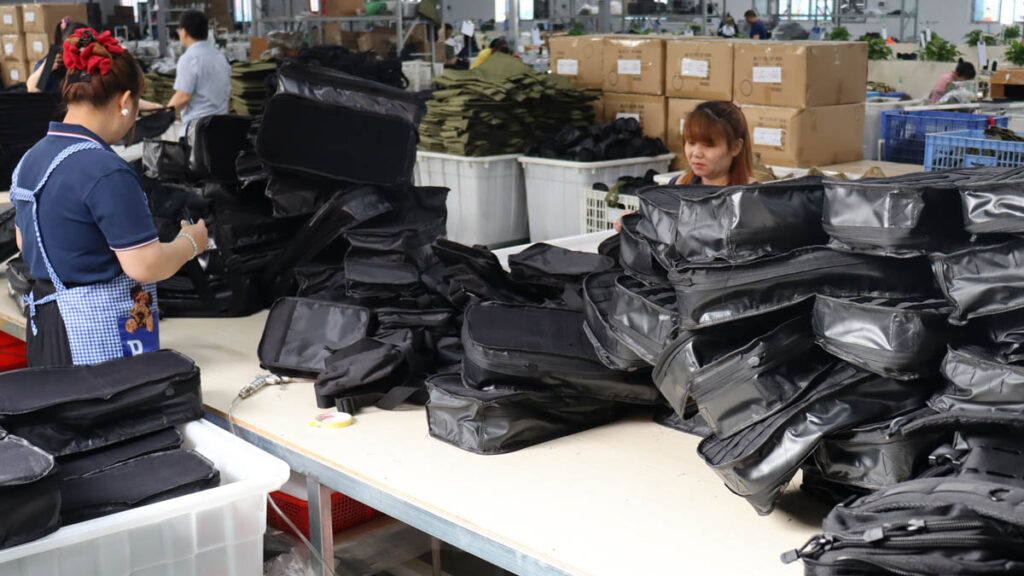
Tactical products also involve much more than fabric itself.
Especially when products use reinforcement webbing, foam systems, mesh panels, laser-cut materials, or custom hardware.
| Material | What It Affects |
|---|---|
| Nylon fabric | Weight / durability |
| Webbing | MOLLE performance |
| Foam padding | Comfort |
| Buckles | Load stability |
| Mesh | Breathability |
| Hook & loop | Modularity |
A lot of production problems actually begin during this stage because tactical products are usually more material-sensitive than normal bags.
Samples Usually Go Through Multiple Adjustments
This is another thing many new buyers underestimate.
Most tactical gear samples go through multiple rounds of adjustments before production starts.
Especially for products like tactical backpacks, modular pouches, hydration packs, and sling bags.
Small structure changes can completely affect sewing difficulty, comfort, weight distribution, storage usability, and production timing.
Sometimes, even moving one webbing position slightly can completely change the sewing process.
Because reinforcement areas and MOLLE alignment also need to match production logic.
This is why experienced tactical brands usually spend more time adjusting details before mass production starts.
Instead of rushing directly into bulk orders.
Supplier Coordination Happens at the Same Time
Many buyers think factories already have everything prepared internally, but tactical gear production usually involves multiple suppliers working together at the same time.
This may include fabric suppliers, webbing suppliers, buckle suppliers, zipper suppliers, foam suppliers, and packaging suppliers.
Every supplier may have different MOQ requirements, production schedules, stock situations, and color consistency conditions.
Because of this, production timing can sometimes change unexpectedly even before actual manufacturing begins.
Production Planning Starts Earlier Than Most Buyers Think
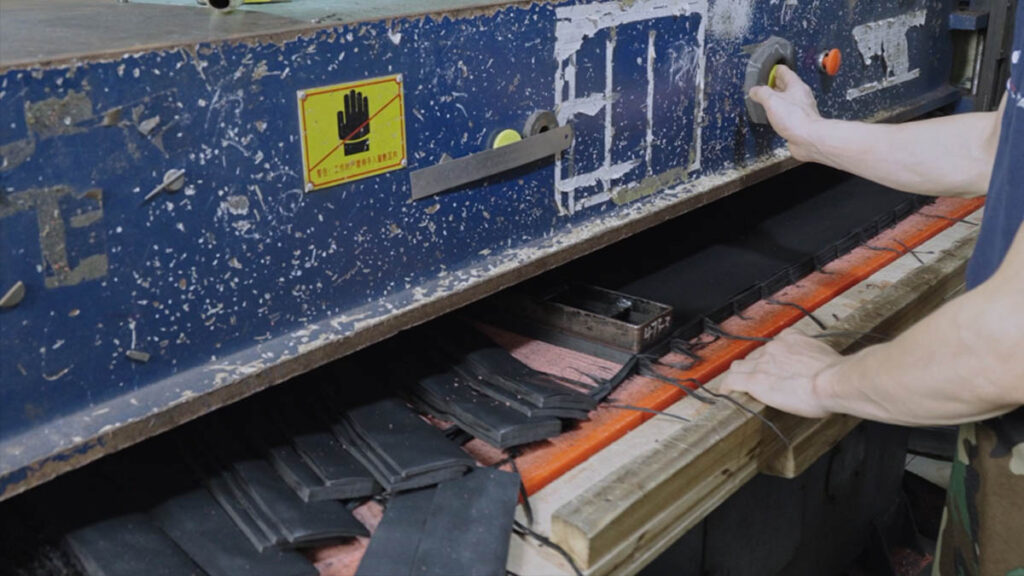
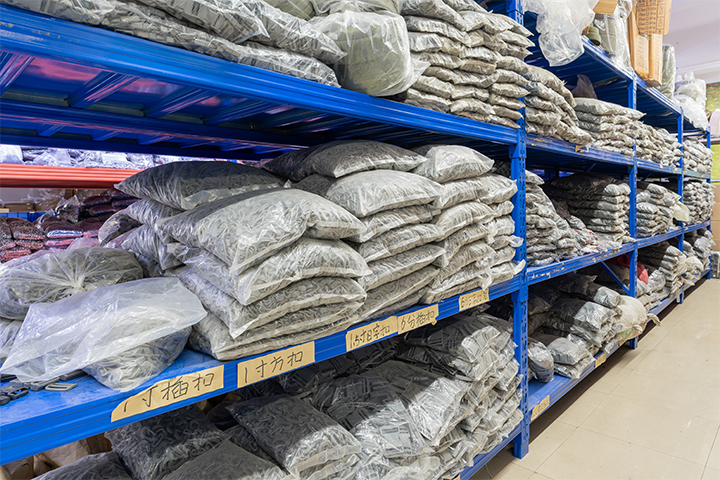
Before bulk production starts, factories usually already begin planning cutting efficiency, sewing line arrangement, material usage, QC workflow, packaging setup, and production timing.
Compared to normal bags, tactical gear usually requires more preparation because products often use thicker materials, reinforced stitching, bartack areas, MOLLE webbing, foam systems, and multiple sewing layers.
For factories, this stage is important because production efficiency is usually decided before mass production officially begins.
Why Samples Sometimes Feel Different From Production
This is actually one of the most common discussions on Reddit and tactical forums.A lot of users ask why production versions feel stiffer, heavier, or slightly different compared to samples.
Fabric batches may change slightly, foam density may be adjusted, stitching structures may be optimized for production efficiency, or suppliers may change during scheduling.
Even small adjustments can change how tactical gear feels during real use, especially for products focused on comfort, weight balance, or modularity.
Tactical Gear Usually Requires More Pre-Production Work
Compared to fashion bags or normal backpacks, tactical gear usually requires more preparation before production because the products are more functional and structure-dependent.
For example, reinforcement areas need testing, MOLLE alignment needs checking, foam thickness affects comfort, and structure layout affects long-term weight balance.
Tactical products also usually contain more stress points than regular bags, so factories need to spend more time evaluating production stability before manufacturing begins.
Most Production Problems Start Before Production
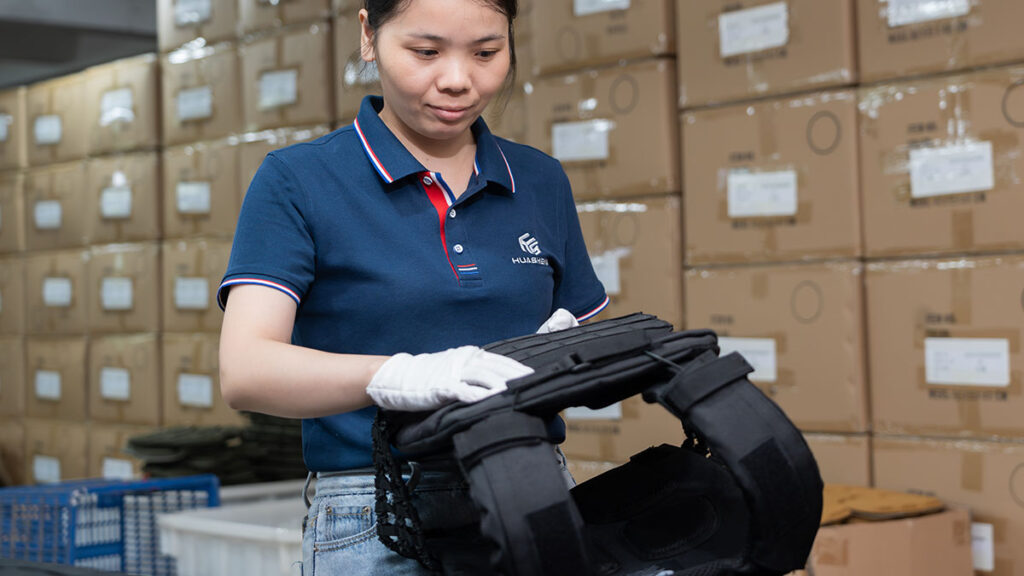
From a factory side, many production problems do not actually begin during sewing.They usually begin earlier because of unclear product positioning, unstable structure design, too many material changes, unrealistic timelines, or poor supplier coordination.
This is why experienced tactical brands usually simplify products first before increasing customization later.Products that are too complicated too early often create more production instability, especially for growing brands still testing the market.
From a Factory Side, This Is the Part That Matters Most
From a factory side, these steps are not just preparation.This is usually the stage where product stability, production efficiency, comfort, durability, and future production consistency are decided.Because end users don’t describe products in technical terms. They describe experience.And that gap — between how products are designed and how they are actually used — is where many tactical products succeed or fail.
FAQ
Tactical gear usually uses thicker materials, reinforced stitching, MOLLE systems, foam padding, and more complex structures. Before production starts, factories also need extra time for material confirmation, sample adjustments, and supplier coordination.
In many cases, production conditions are different from sample conditions. Material batches, foam density, stitching methods, or supplier situations may change slightly during bulk production, which can affect the final feel of the product.
For most factories, the most important part is making sure materials, structure design, and production planning are stable before mass production begins. Many production problems actually start during the pre-production stage, not during sewing itself.