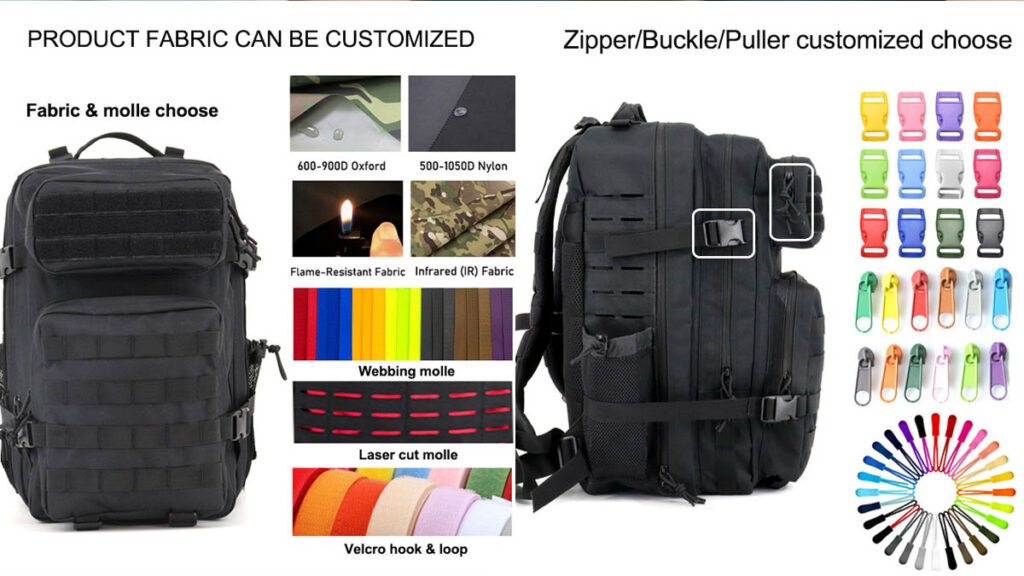
Most Buyers Think Samples Are Just “Early Versions”
A lot of buyers think tactical gear samples are simply the first version of the final product. But from a factory side, the sample stage is usually where most real product problems first appear.
Many tactical products may look good on paper or in design files, but once factories begin making physical samples, things immediately become different. Structure, comfort, weight balance, sewing difficulty, material stiffness, and storage usability all start affecting each other at the same time.
For tactical gear, this stage becomes even more important because products often involve MOLLE systems, reinforced stitching, foam padding, load-bearing structures, and multiple material layers. Compared to normal bags, there are simply more things that can go wrong.
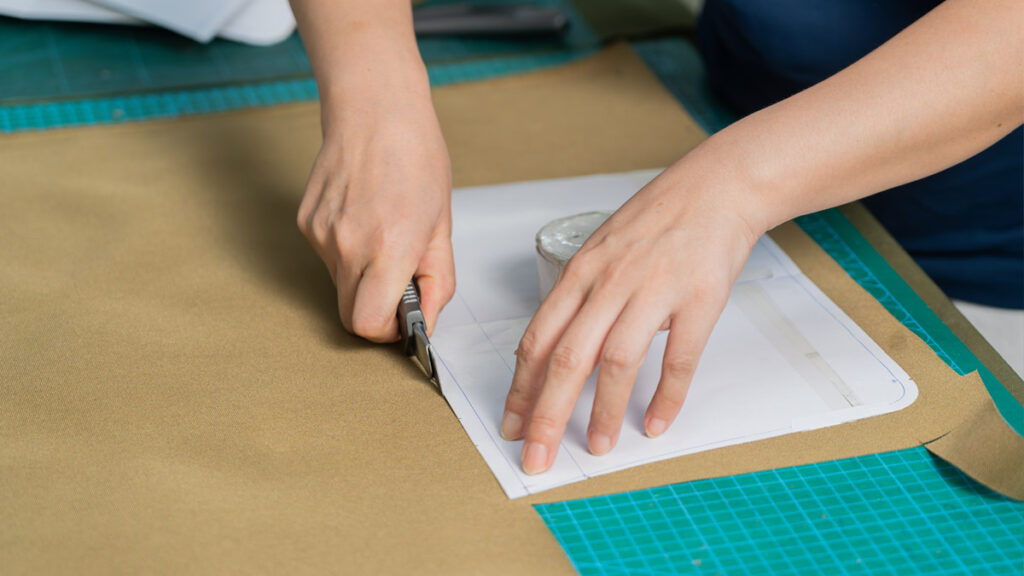
Materials Usually Keep Changing During Sampling
One common misunderstanding is that factories already know all final materials before the first sample begins. In reality, many tactical products continue changing materials during development because real testing often creates new problems.
A fabric that looks good visually may increase overall weight too much. Foam that feels soft initially may lose support after carrying weight. Some webbing may become too stiff, while some mesh materials may improve airflow but reduce durability.
This is especially common for modern EDC tactical products because today’s users care more about comfort and daily usability than pure tactical appearance.
MOLLE Systems Usually Require More Adjustments Than Buyers Expect
A lot of buyers mainly focus on how MOLLE looks visually, but from a factory side, MOLLE affects much more than appearance.
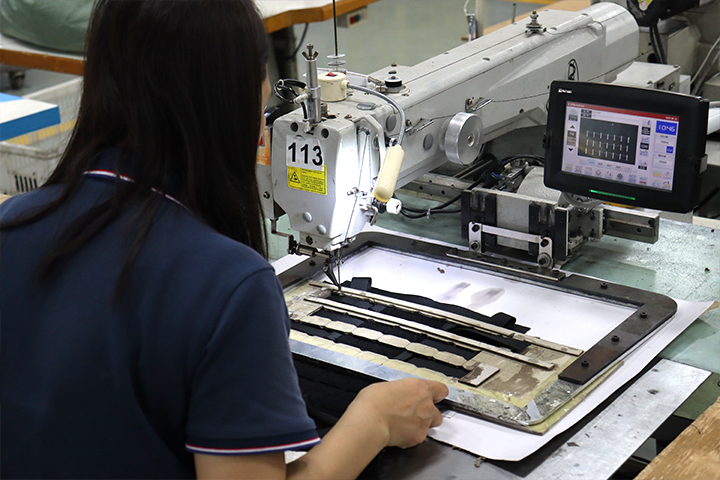
Factories need to check spacing consistency, stitching strength, alignment accuracy, pouch compatibility, and sewing efficiency all together. Small alignment mistakes may already affect modular compatibility later.
This is why tactical samples with heavy MOLLE layouts often go through multiple revisions before factories are satisfied.
Comfort Problems Usually Only Appear After Real Testing
One thing many buyers underestimate is comfort testing. A tactical backpack may look perfectly fine visually, but once weight is added, problems often appear very quickly.
Factories usually test shoulder pressure, foam support, airflow, strap adjustment range, and long-term carrying comfort. Some backpacks feel stable at first but become uncomfortable after longer use because the structure distributes weight incorrectly.
This is also why tactical sample development often takes multiple rounds instead of finishing immediately.
From a Factory Side, Real Product Development Happens During Sampling
A lot of people think production is the most important stage. But for tactical products, many critical decisions are usually made much earlier during sample development.
Once mass production begins, changing structure, sewing logic, or material combinations becomes far more difficult and expensive. That is why experienced tactical brands usually spend much more time optimizing samples before moving into production.