A Lot of Buyers Think MOQ Is Just a Factory Rule
One thing we hear very often is “Can we do a smaller MOQ?” A lot of buyers think MOQ is simply something factories decide themselves, but in tactical gear manufacturing, MOQ is usually connected to materials, supplier systems, and how production is actually set up.
Especially for products like tactical backpacks, modular pouches, plate carrier style vests, and EDC bags, MOQ becomes more complicated because tactical gear usually uses more custom materials than normal bags.
Fabric MOQ Is Usually the First Problem
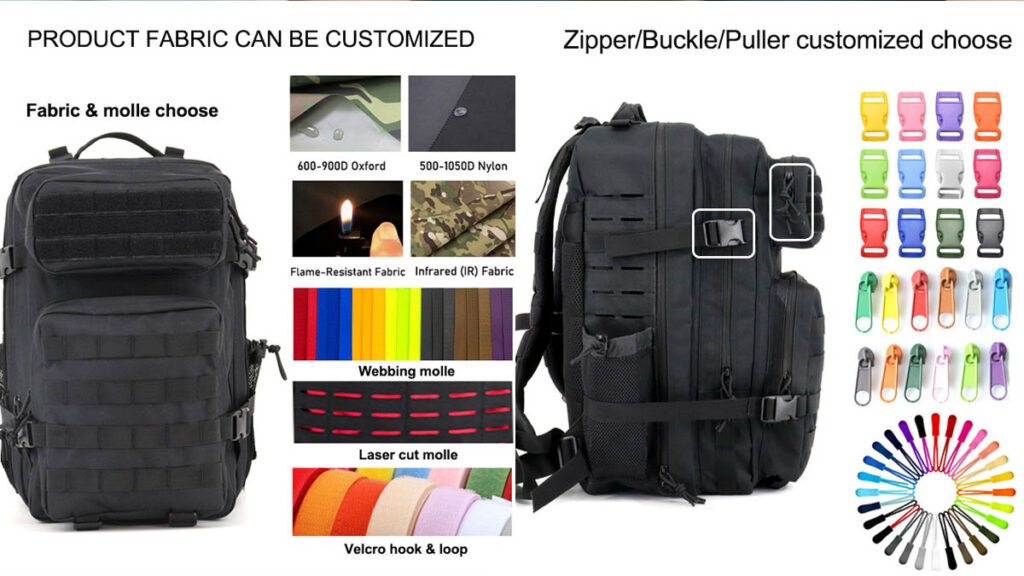
A lot of new brands want custom colors or special fabric combinations, and this is usually where MOQ starts becoming difficult.
For example, if you want custom nylon fabric in a special color, the fabric supplier may already require a minimum quantity before production even starts. In many cases, MOQ already exists before the factory begins production.
Typical Material MOQ Examples
| Material | Typical MOQ Situation |
|---|---|
| Custom fabric color | Usually high MOQ |
| Standard black fabric | Easier for low MOQ |
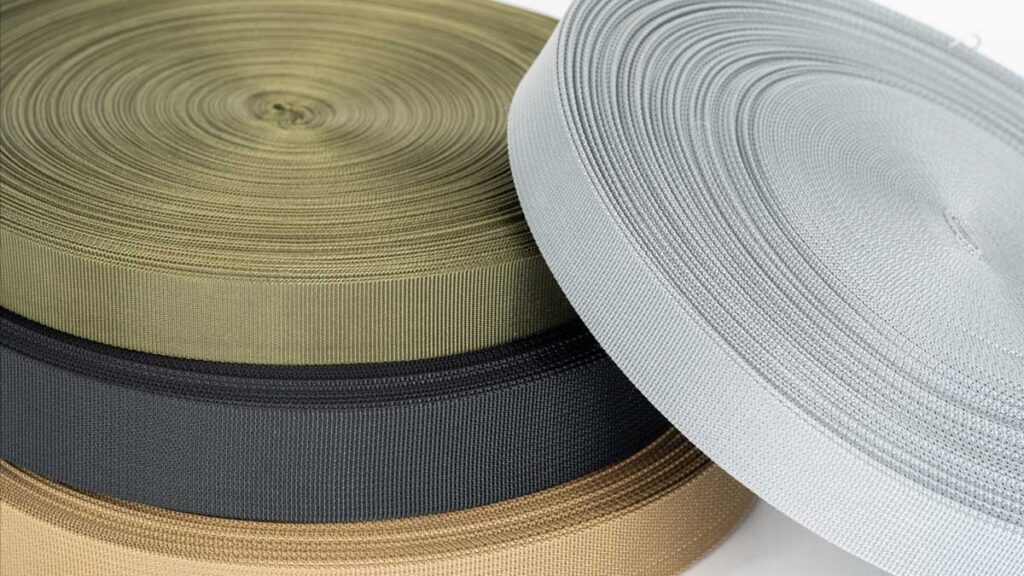
| Custom webbing | Medium to high MOQ |
| Custom buckles | Often needs tooling |
| Laser-cut panels | Higher production0 setup |
This is why many tactical gear factories suggest using standard materials first when brands are just starting.
MOQ Is Also Connected to Production Efficiency
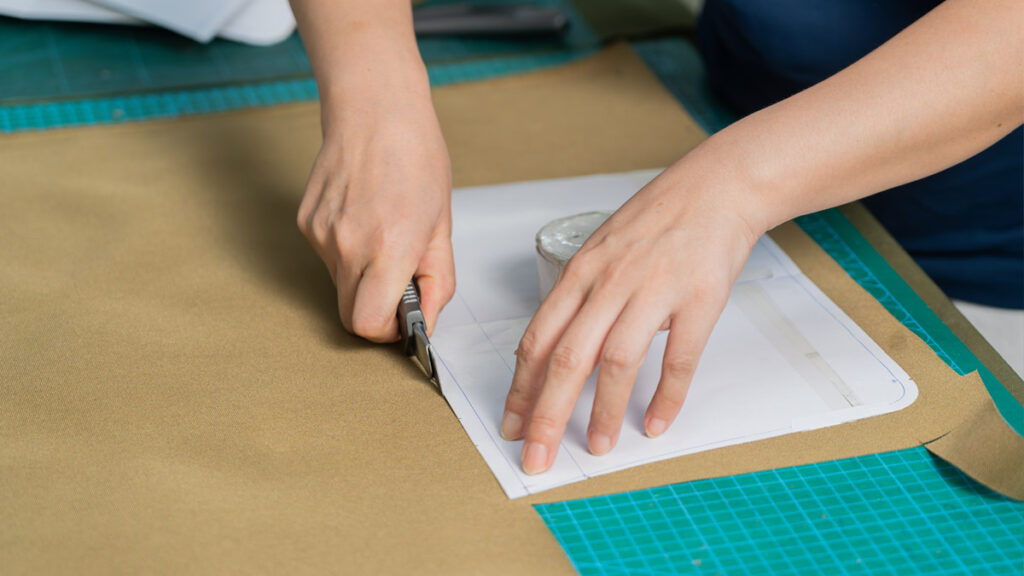
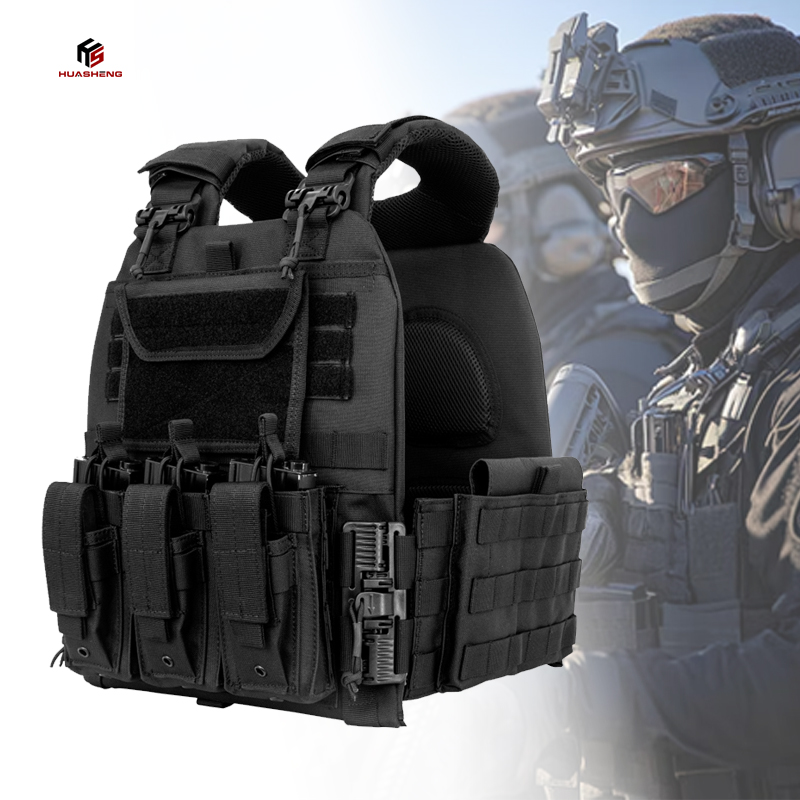
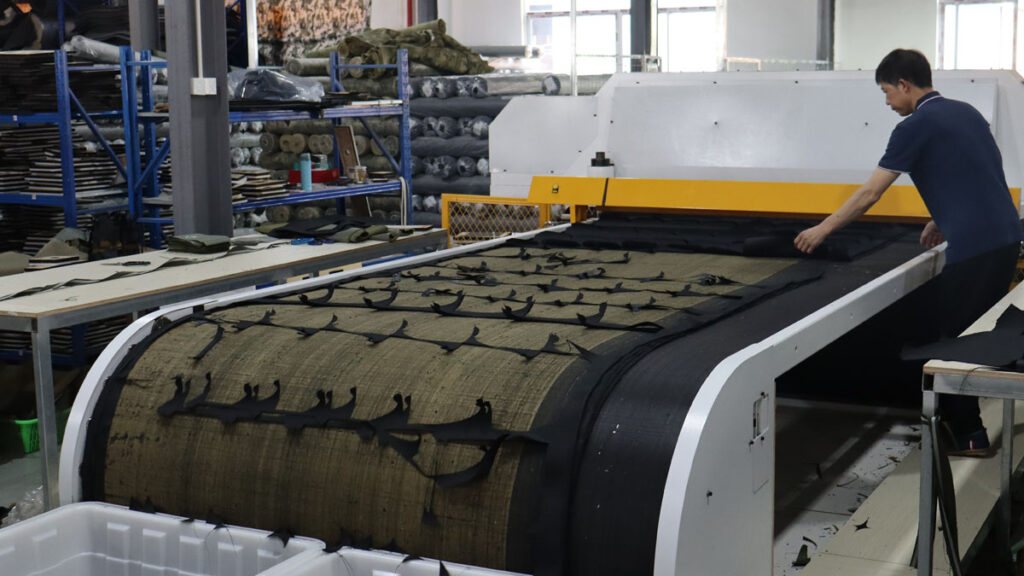
Another thing many buyers don’t notice is that production lines also affect MOQ. Tactical gear production(like tactical vest) usually requires material cutting, sewing setup, pattern adjustment, QC preparation, and packaging setup before bulk production starts.
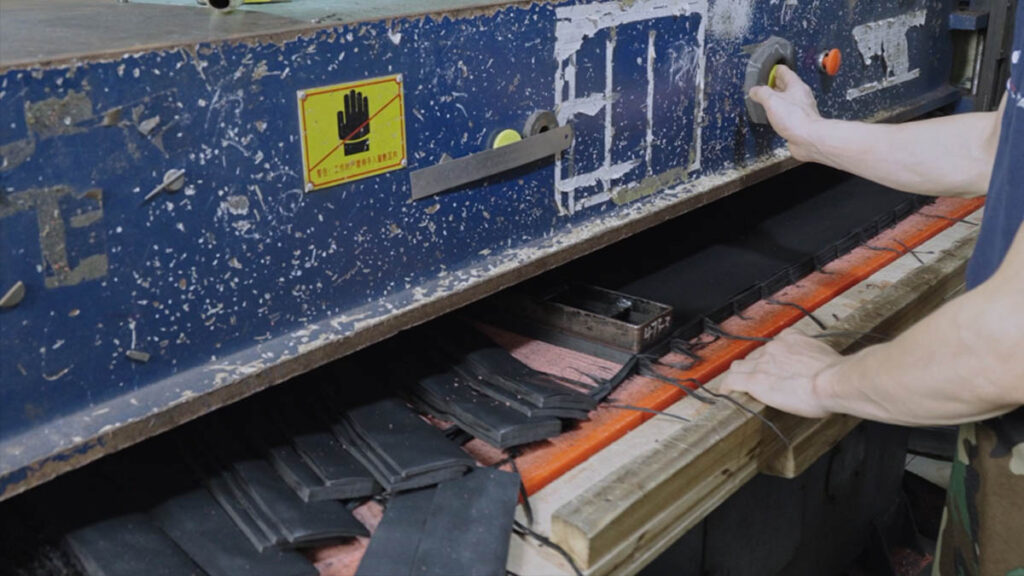
If the order quantity is too small, the setup cost sometimes becomes higher than expected. This is especially common on products with more MOLLE webbing, complex structures, multiple compartments, or thick foam systems.
Why Some Factories Can Offer Lower MOQ
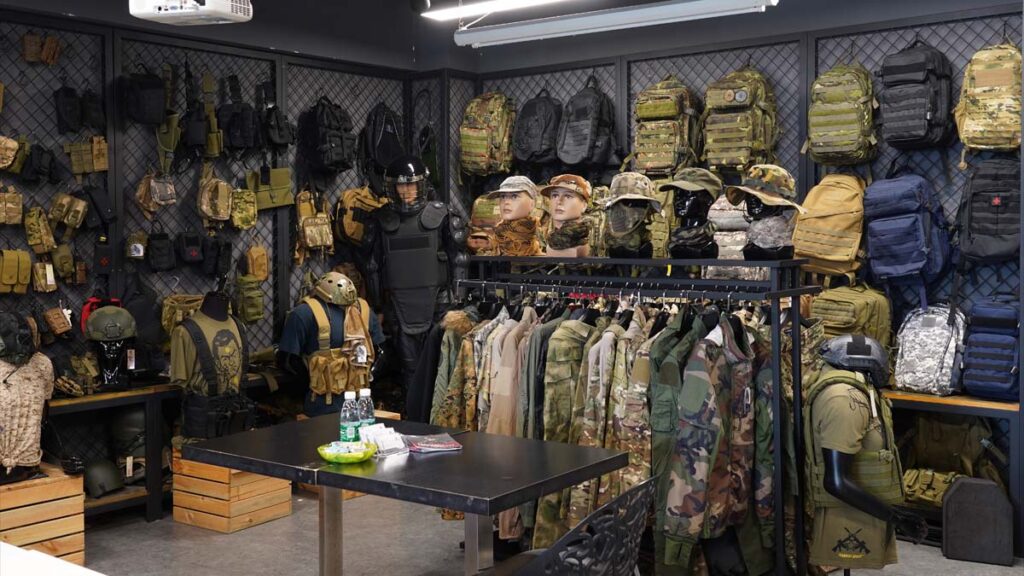
Buyers sometimes notice that different factories offer very different MOQ numbers. Usually this depends on existing material stock, supplier relationships, factory flexibility, and product type.
For example, factories that already produce tactical backpacks regularly may already have standard materials ready in stock, which makes smaller orders easier compared to completely custom production.
Many New Brands Make the Same MOQ Mistake
One common mistake is trying to customize everything too early.
For many new brands, the problem usually starts when they try to customize too many things at the same time — custom fabric, custom lining, custom buckles, custom zipper pullers, and too many color options.
This usually increases MOQ, production time, material complexity, and inventory pressure. Many growing tactical brands actually start with simpler combinations first, especially during early market testing.
What Many Tactical Brands Do Instead
Instead of fully customizing everything immediately, many brands now choose a lower-risk OEM approach first.
Common Low-Risk OEM Strategy
| Stage | Common Approach |
|---|---|
| First order | Standard materials |
| Market testing | Small SKU count |
| Early branding | Logo customization first |
| Stable sales stage | Develop custom materials later |
This reduces risk significantly for new brands and also makes future restocking easier.
MOQ Is Usually About Risk Control
From a factory side, MOQ is usually not only about profit. It is also connected to material waste, supplier coordination, production planning, inventory pressure, and production stability.
This becomes even more important in tactical gear manufacturing because products often involve more materials and more complex structures than regular bags.
That is why many experienced tactical brands usually start with simpler solutions first, then slowly increase customization after products become more stable in the market.