Most people misunderstand what “customization” really means
Most new brands think customization means they can change anything they want. In reality, that is not how tactical gear manufacturing works.
Customization always depends on structure. Some things are easy to change, but some changes basically mean you are creating a new product.
Level 1 customization is simple and fast
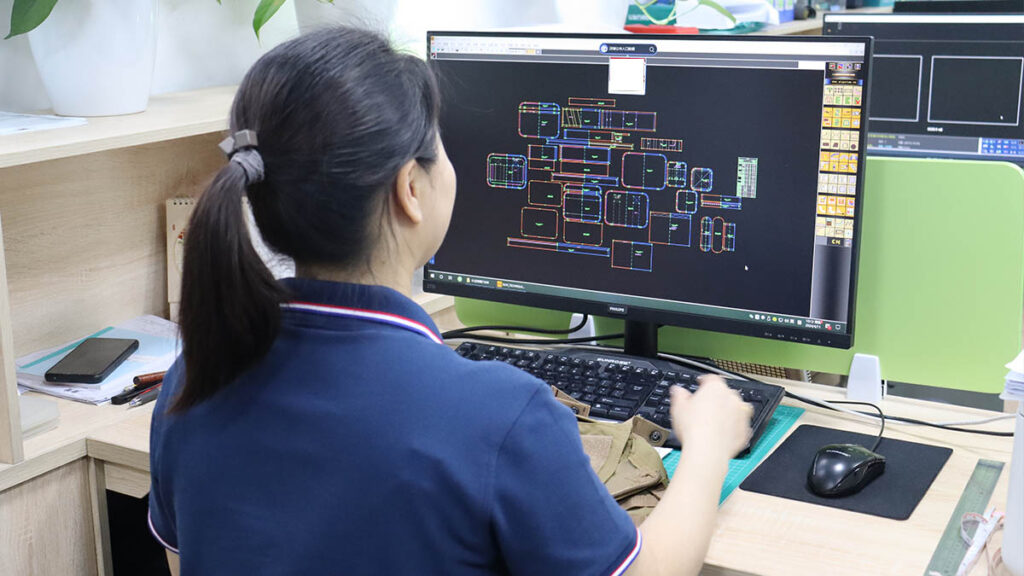
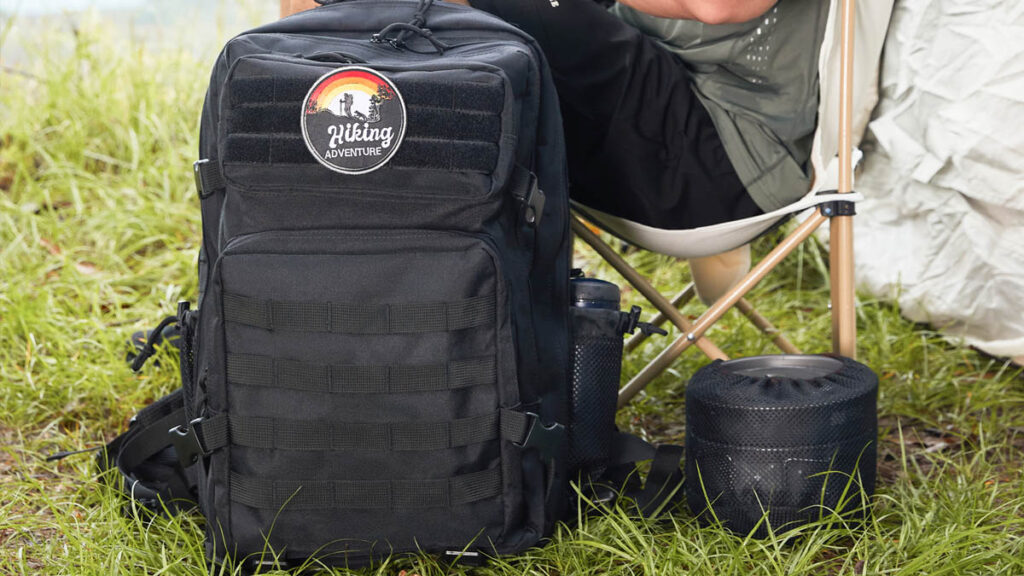
Things like color, logo, patch area, and small MOLLE adjustments are considered basic customization. These changes do not affect the internal structure of the product, so they are usually fast and low cost.
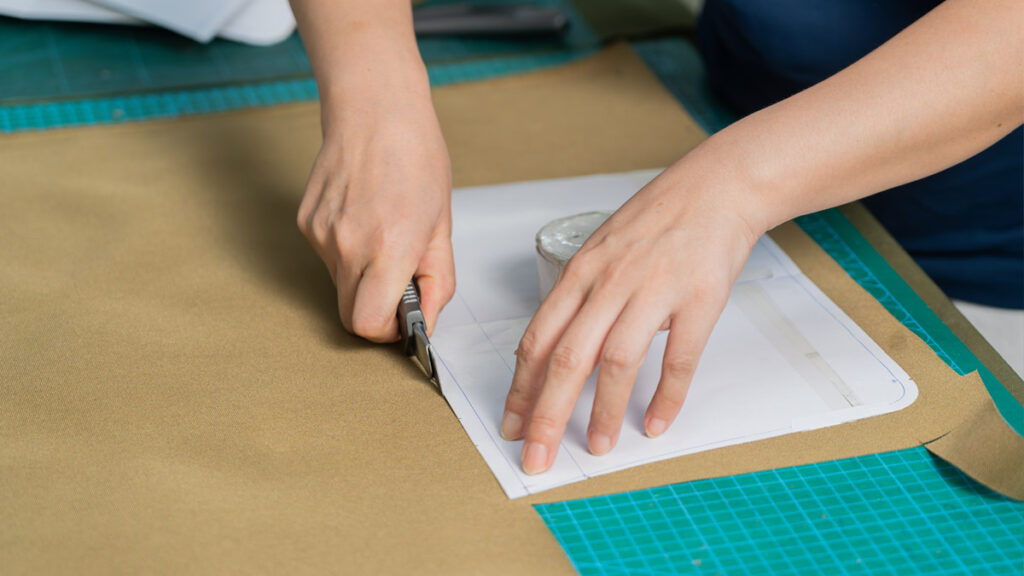
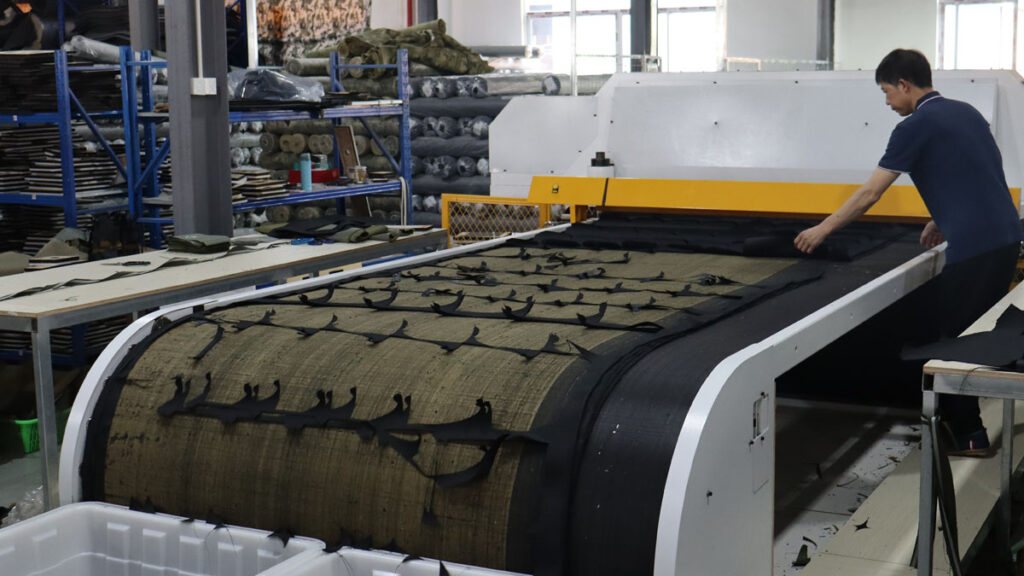
From factory experience, these changes usually do not require new pattern making or full re-sampling.
Level 2 customization affects usability and structure
When you change internal layout, strap system, padding, or pocket design, things become more serious. This is no longer just visual adjustment. It affects how the product is used in real life.
At this stage, factories usually need new sampling. In most cases, this adds around 5 to 10 extra days depending on complexity.
Level 3 customization is basically new development
When changes involve load-bearing structure, frame system, or EVA back panel design, it is no longer customization. It becomes a new product development project.This is where many brands underestimate complexity. What looks like a small change on paper can completely change production cost and timeline.
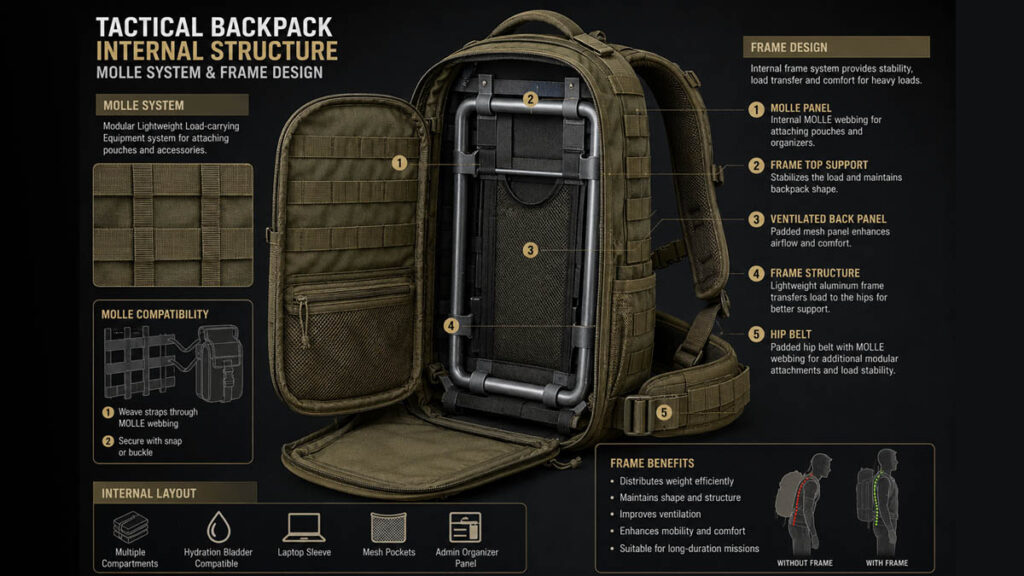
Tactical backpacks vs plate carriers are not the same level of flexibility
Backpacks usually allow more flexibility because internal space can be adjusted more freely. You can change compartments, straps, and storage layout without breaking the core structure.
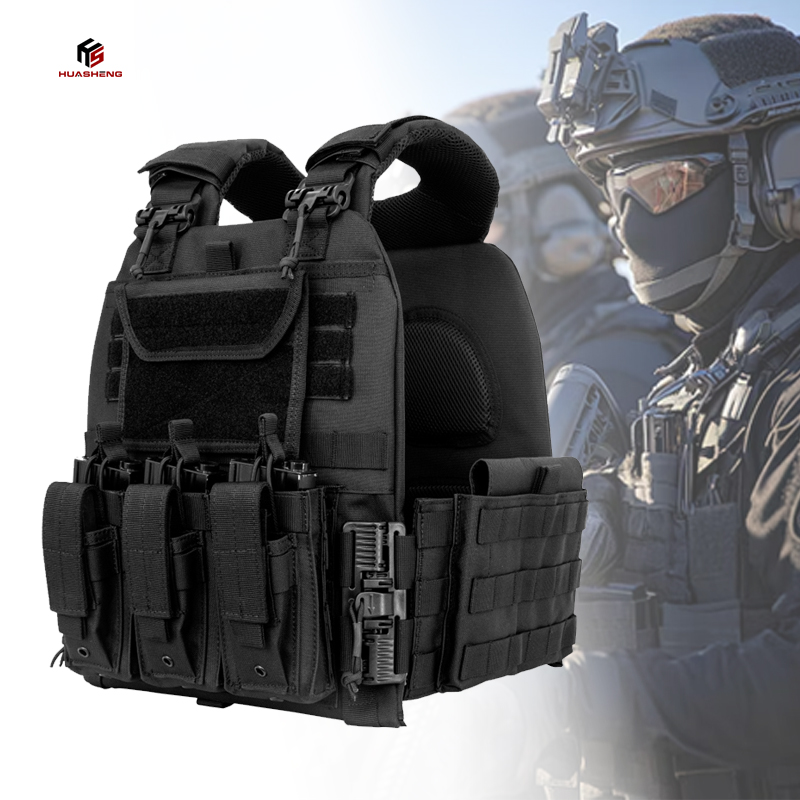
Plate carriers are different. Their structure is much more fixed because it directly affects stability and load distribution. That means customization space is more limited.
Why most customization problems happen at the beginning
From factory experience, most problems are not caused during production. They happen at the beginning when expectations are not clear.
When a brand says “just make it slightly different”, that usually leads to multiple revisions later because “slightly different” is not a technical definition.
If you are planning a custom tactical backpack or plate carrier project, the most important step is not choosing materials first. It is defining what level of customization you actually need.Send us your idea, sketch, or reference product, and we can tell you directly what is realistic, what needs sampling, and what will become a new development project.
FAQ
Not always. Simple things like color, logo, patch area, or MOLLE layout are easy to change. But once you change load-bearing structure or frame system, it usually becomes a new product development project.
Usually color, logo placement, webbing color, and patch areas are the easiest changes because they do not affect product structure.
In many cases, yes. Structural customization often requires new materials, molds, or sampling work, which can increase minimum order quantity.