Tactical gear manufacturing process is not as simple as most people think
Most people think tactical gear production starts when a sample is made and then everything just moves forward step by step. But in real factory work, it doesn’t start there.
Most of the time, the factory first receives a rough idea, a sketch, or even just a reference product. At this stage, there is usually no complete technical file, which means the factory has to help rebuild part of the structure before anything can move forward.
The clarity of this first input decides almost everything later. If the information is unclear, every step after that will slow down.
Tactical gear design to sample process (idea → pattern → sample)
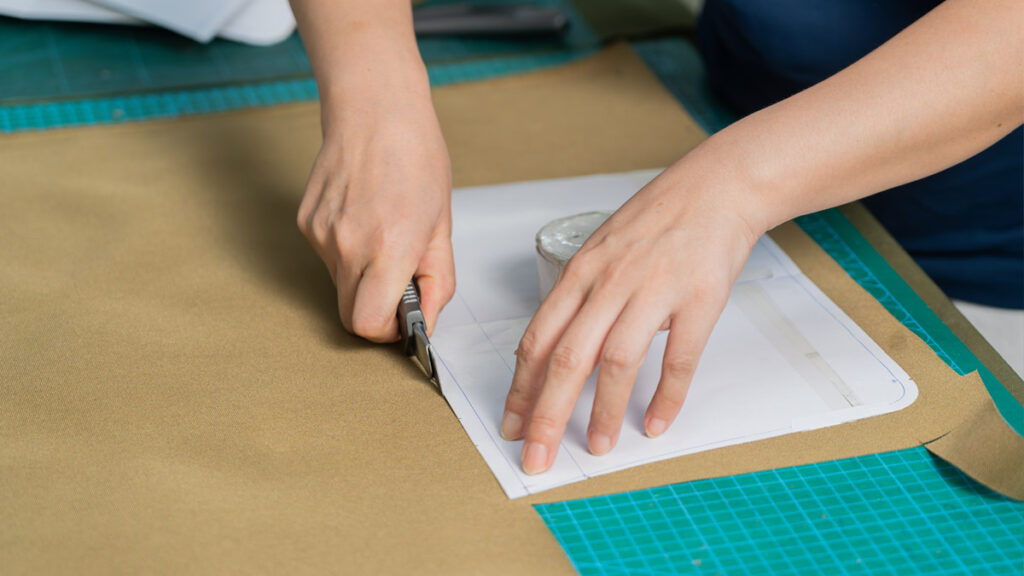
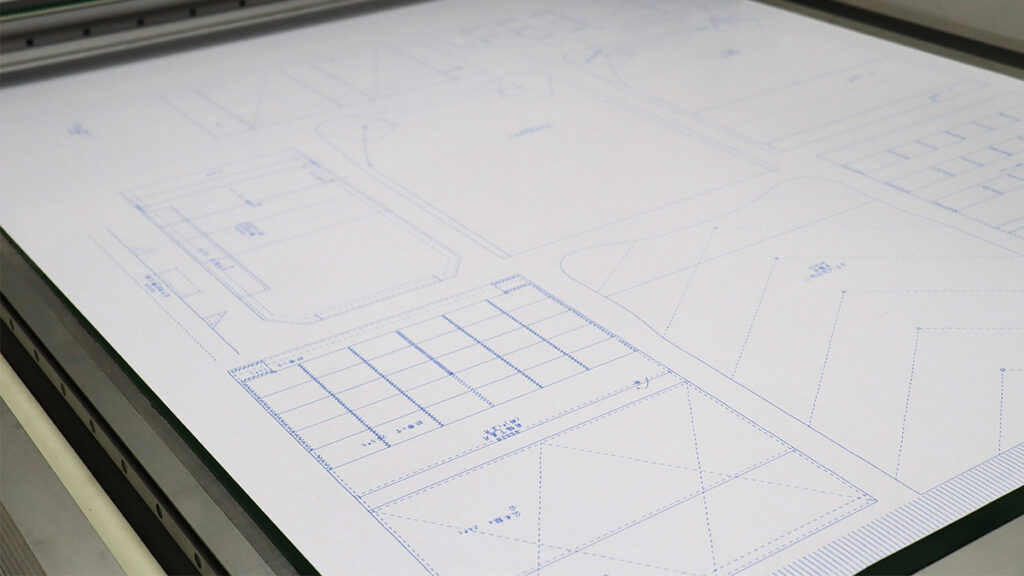
The real first step in factory work is pattern making, not sewing. This is where the product structure is actually defined. It decides how the backpack or plate carrier will sit, how weight is carried, and how different parts connect together.
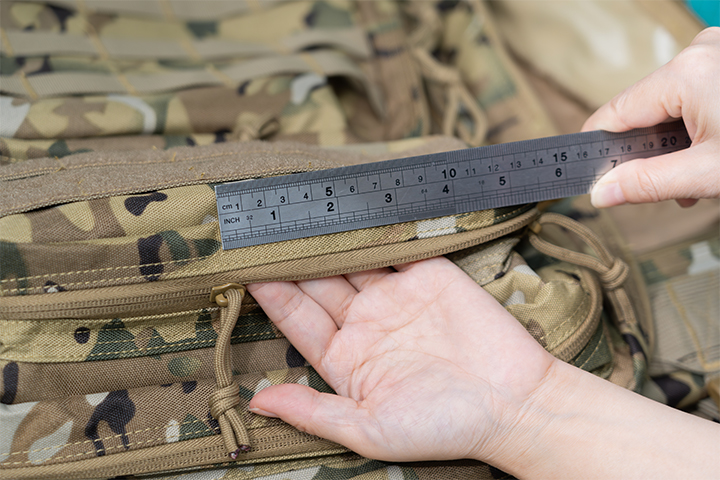
Even a small change in pattern, sometimes just a few millimeters, can change the way the product feels when it is worn. That’s why factories treat this stage very carefully.
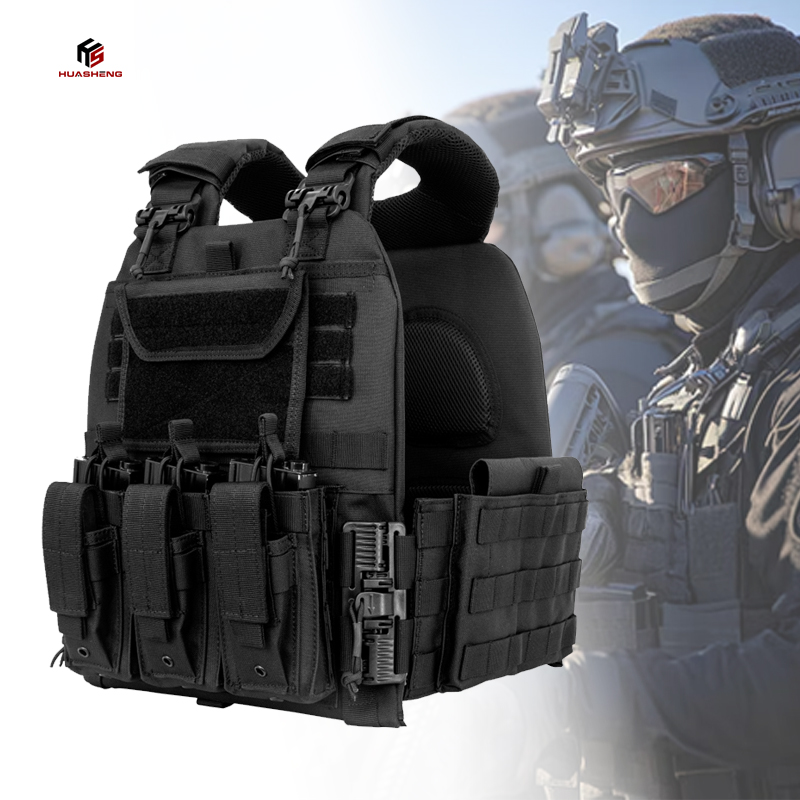
After pattern is confirmed, the factory moves into sampling. For tactical backpacks, the first sample usually takes around 7 to 15 days. Plate carriers often take a bit longer because the structure is more complex.
Most products need 1 to 3 rounds of adjustments before everything is stable enough.
Tactical gear materials are the most common cause of delay
In most factories, sewing itself is not slow. The real delay is almost always materials.
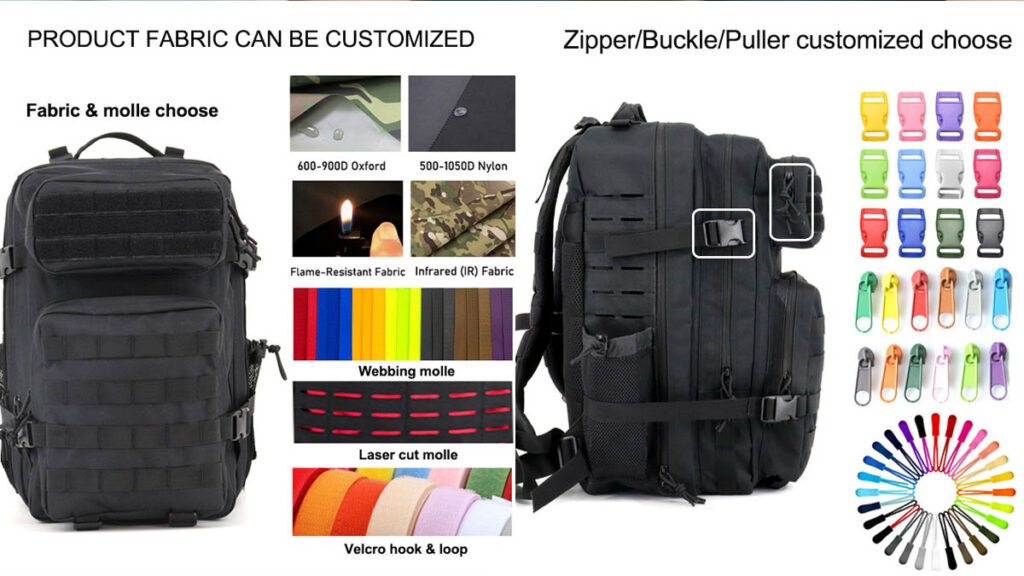
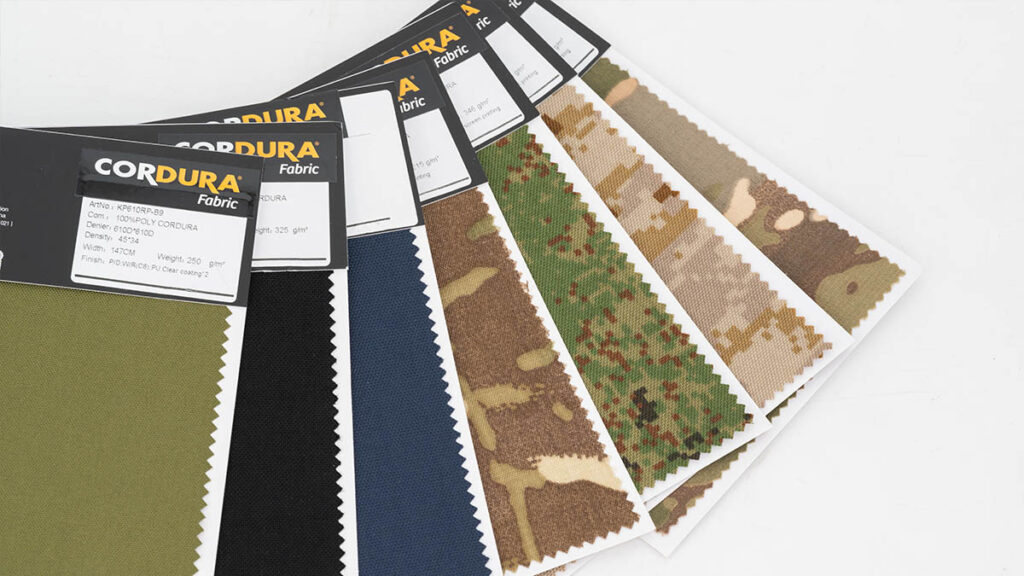
Tactical gear usually uses materials like 500D or 1000D nylon, reinforced webbing, and hardware like YKK or similar zippers. The issue is not whether these materials exist, but whether they are available in the exact combination and timing required for the project.
Industry experience shows that material-related waiting or changes can account for around 30% to 50% of total project delay.
PPS vs bulk production in tactical gear manufacturing
Before bulk production starts, factories will always make a PPS (pre-production sample). This is the final confirmed version of the product, including materials, structure, and workmanship.
Once PPS is approved, production moves directly into bulk stage without further design changes.
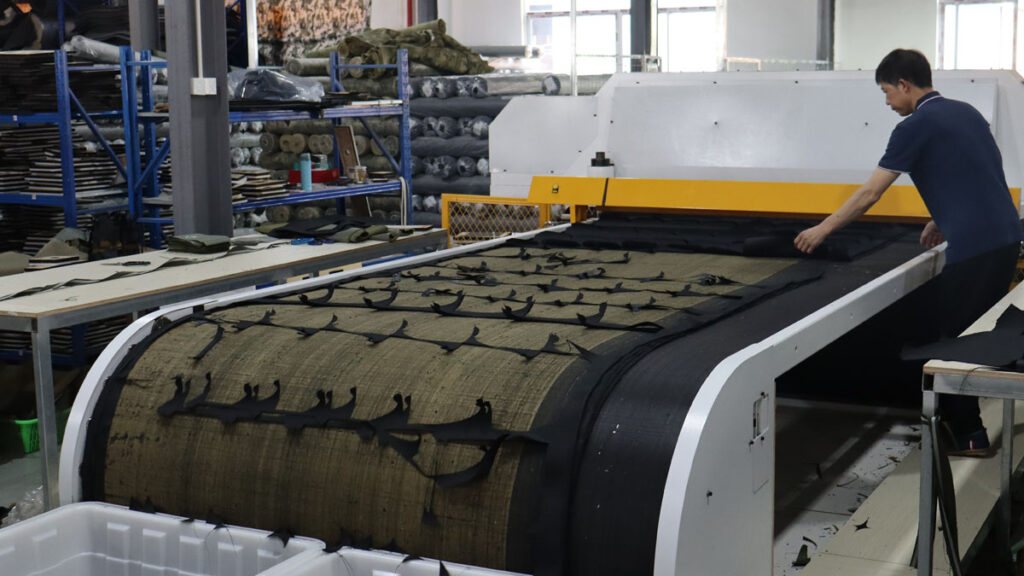
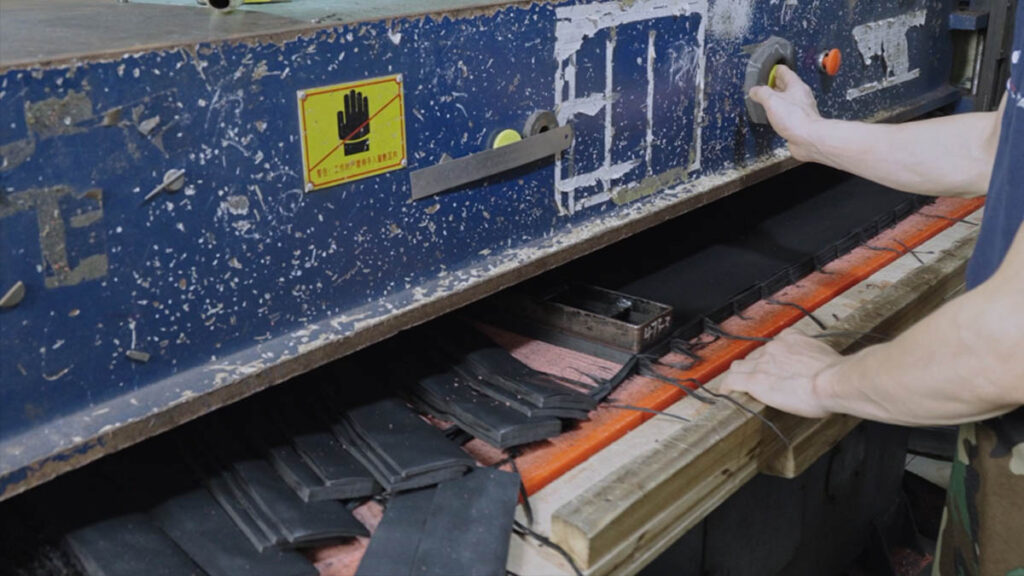
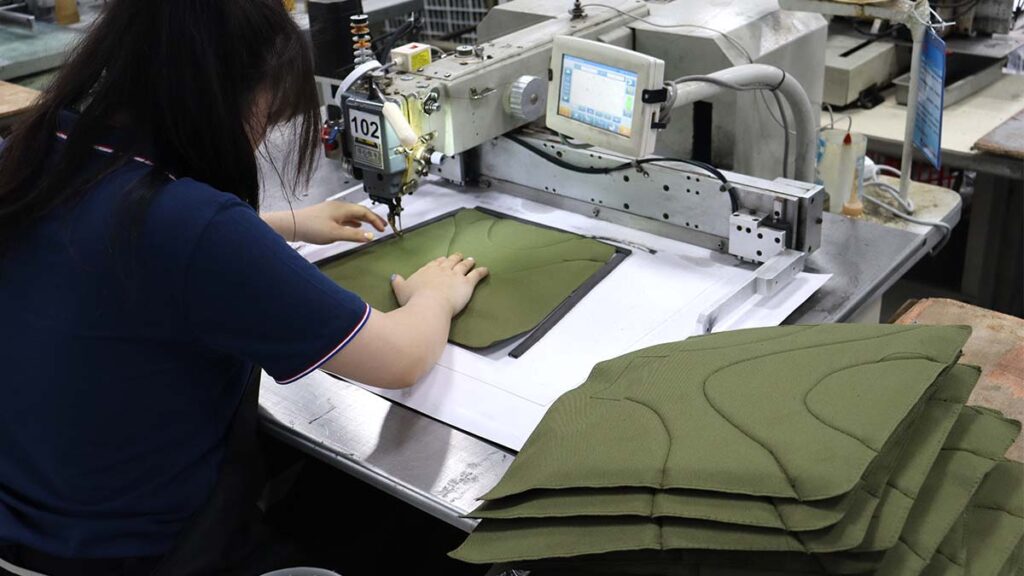
Bulk production is usually the most stable part of the whole process. At this stage, everything is fixed and the factory just repeats the same work: cutting, sewing, assembling, and inspection.Typical production time is around 25 to 60 days depending on order size and complexity.
Why most tactical gear manufacturing problems happen before production
From factory experience, most problems are not created during production. They come from earlier stages.
The main reasons are unclear design files, repeated sample changes, or delays in material confirmation.
In simple terms, production is not where problems are solved. It is where decisions are executed. If the input is unstable, the output will never be stable.
FAQ
It is the full process from design file to bulk production, including pattern making, sampling, material confirmation, PPS, and final manufacturing.
Usually 7–15 days for backpacks and 10–20 days for plate carriers, depending on structure complexity.
Most delays come from material issues and repeated sample revisions, not actual production.