Most New Tactical Brands Don’t Fail Because of Marketing
A lot of new brands think ads and traffic are the hardest part.But from what we usually see, many brands run into problems much earlier — when choosing products.
Some people start with products that are too hard to make, too expensive, or too difficult to restock later.
According to Grand View Research, the tactical gear market is still growing, but more users now prefer lighter and more daily-use products.
Problems Many New Brands Meet
| Problem | What Usually Happens |
|---|---|
| Too many products | Inventory gets messy |
| Heavy tactical look | Fewer daily users |
| Complex designs | Longer production time |
| High MOQ | More cash pressure |
Why Many New Brands Start With Tactical Backpacks
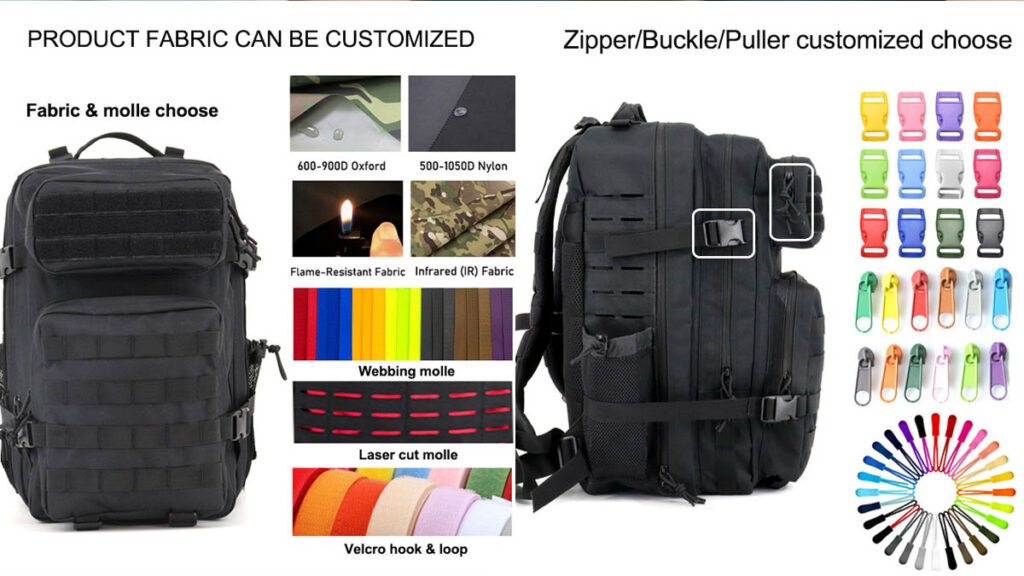
One thing we notice very often is that many new brands start with backpacks.
Not because backpacks are easy, but because they are easier to sell to different types of users.Many users on Reddit also say they now prefer backpacks that do not look “too tactical”.
A tactical backpack can work for:
- EDC
- Travel
- Outdoor
- Gym
- Daily carry
Why Backpacks Are Easier for New Brands
Advantage Why It Helps More users Easier to sell Easier content Better for TikTok and Instagram Easier restock Simpler size system Easier testing Good for small orders
Why EDC Products Are Easier to Sell Today
A few years ago, many tactical products looked very military.
Today, more people want products they can use every day without looking too serious.
What Users Prefer Today
| Older Style | What Users Like Now |
|---|---|
| Heavy tactical look | Cleaner look |
| Full MOLLE outside | Simpler design |
| Big systems | Small EDC gear |
| Outdoor-only use | Everyday use |
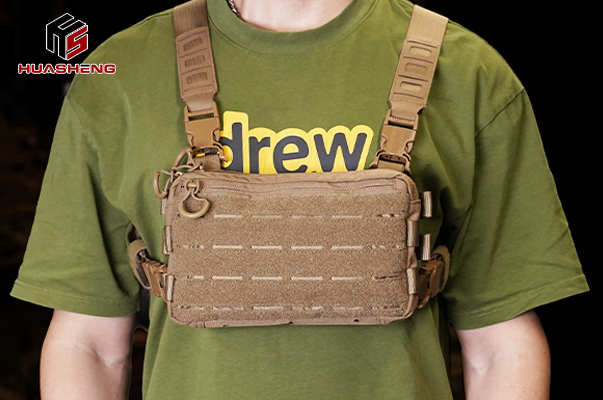
This is one reason why EDC slings, small pouches, and low-profile backpacks have become more common.
Especially on TikTok, Instagram, and Reddit, compact products are often easier to share and easier to impulse-buy.
Some Tactical Products Are Too Hard for New Brands
One common mistake is starting with products that are too complicated.
For example:
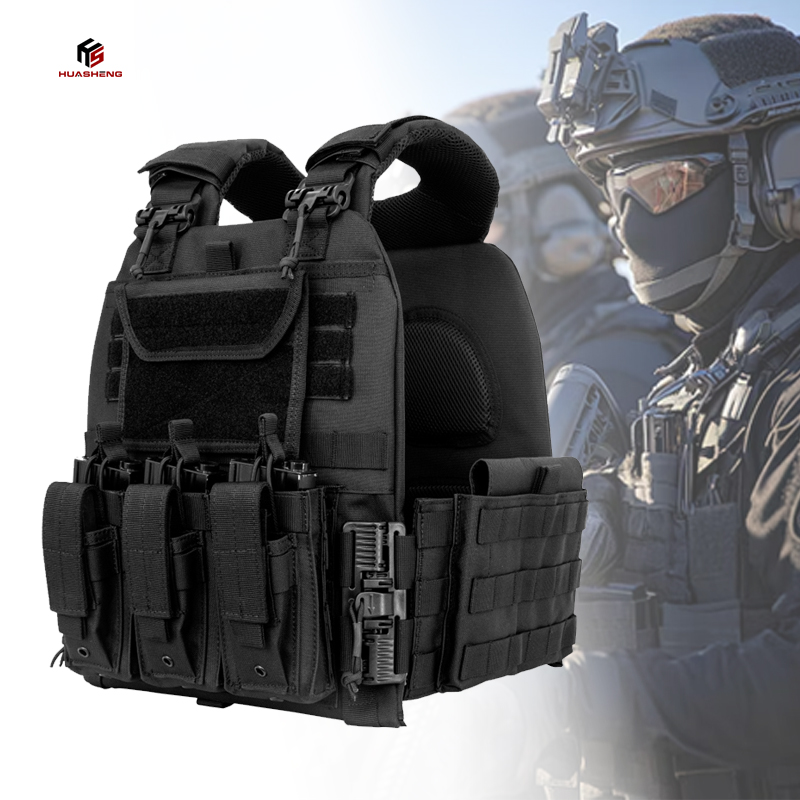
- Large vest systems
- Heavy modular setups
- Very custom products
Product Difficulty Comparison
Many users online also say some products “look cool”, but are not practical for daily use.Product Difficulty MOQ Pressure Good for New Brands Tactical Backpack Medium Medium Yes EDC Sling Bag Low Low Yes Weight Vest Medium Medium Yes Large Vest System High High No
What We Usually Recommend to New Brands
Most new brands don’t fail because of ideas.
They fail because the first few product decisions become too expensive, too complicated, or too difficult to adjust later.
From a factory side, we usually recommend starting with products that are easier to test, easier to improve, and easier to reorder.
That usually includes products like:
- Tactical backpacks
- EDC bags
- Weight vests
- Small modular accessories
For newer brands, the goal is usually not to launch the biggest catalog first.
It’s to find out which products users actually come back for.
That is also why many brands today prefer:
- Lower MOQ testing
- Flexible customization
- Faster sample development
- Smaller first production runs
From there, scaling becomes much easier.
Start Small, Then Expand
Many successful tactical brands did not start with huge product lines.Most started with one or two core products.
After they understood their users better, they slowly added more products.
From a factory side, this is usually the safer and more stable way to grow.
Still not sure which tactical products to start with?
We regularly help new brands test product ideas, simplify product lines, and start with lower-risk production plans.
FAQ
How to start a tactical gear brand step by step?
Start with a clear market, test one product, validate demand, then scale.
Is tactical gear a profitable business?
It can be profitable, especially in growing segments like outdoor and fitness.
Who buys tactical gear?
Mainly everyday users, outdoor users, and gear enthusiasts.
What products should new brands start with?
Simple, functional products like vests, bags, or belts.