Most manufacturing problems start before production even begins
A lot of new tactical brands think manufacturing problems happen inside the factory. But from real OEM experience, most problems actually start much earlier.Usually the issue is not sewing quality or factory capability. It is unclear communication, changing ideas, or unrealistic expectations about timeline and cost.That is why some projects feel smooth from the beginning, while others become slower and more expensive with every revision.
Many brands start production before the product is really ready
One common mistake is trying to move too fast before the structure is fully confirmed.
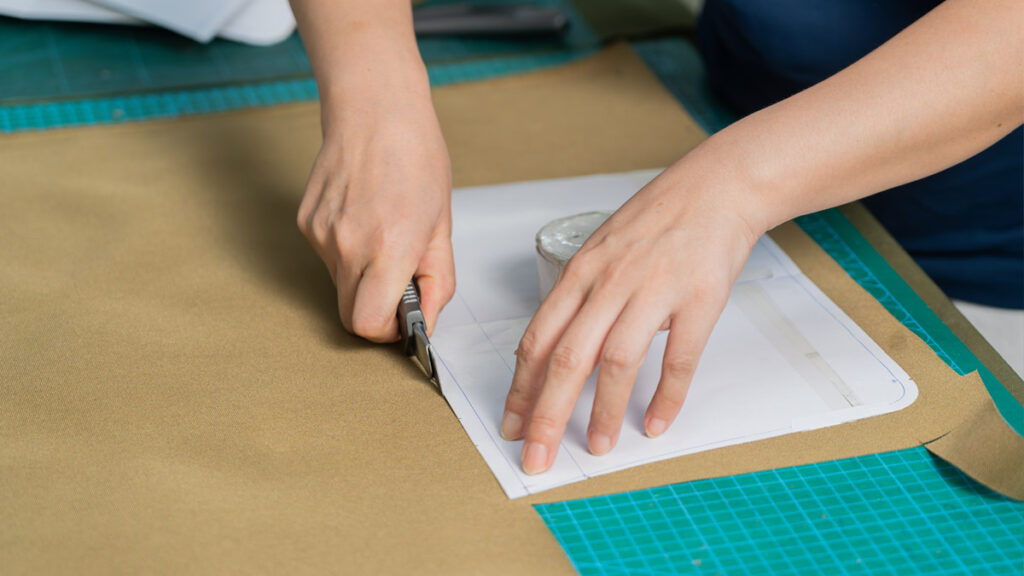
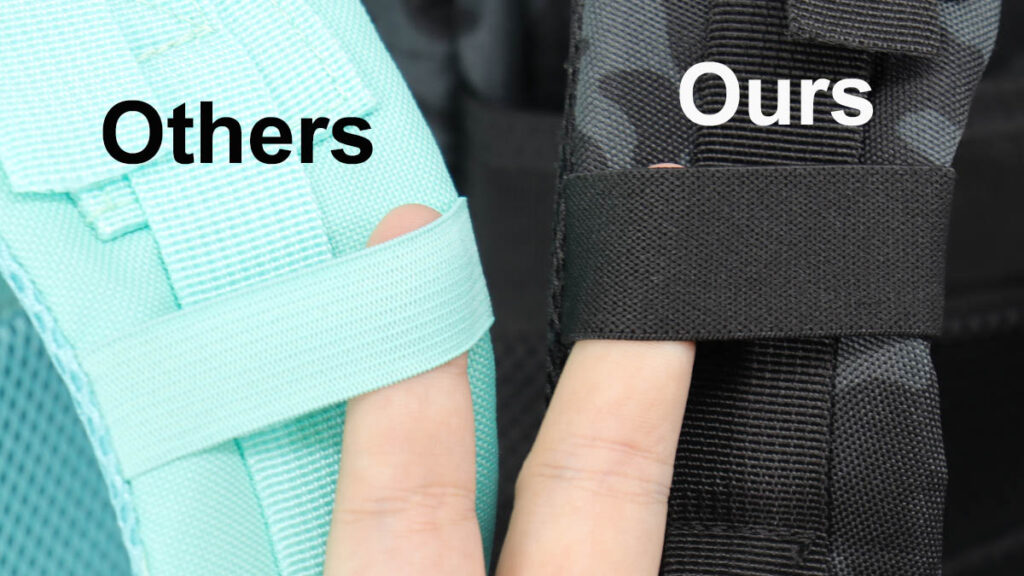
In tactical gear manufacturing, small details matter more than people expect. Strap position, padding thickness, zipper direction, and even webbing placement can affect how the product feels in real use.A product that looks correct on screen may still feel uncomfortable or unstable after sampling.That is why experienced factories spend a lot of time adjusting before bulk production starts.
Cheap sampling often becomes expensive later
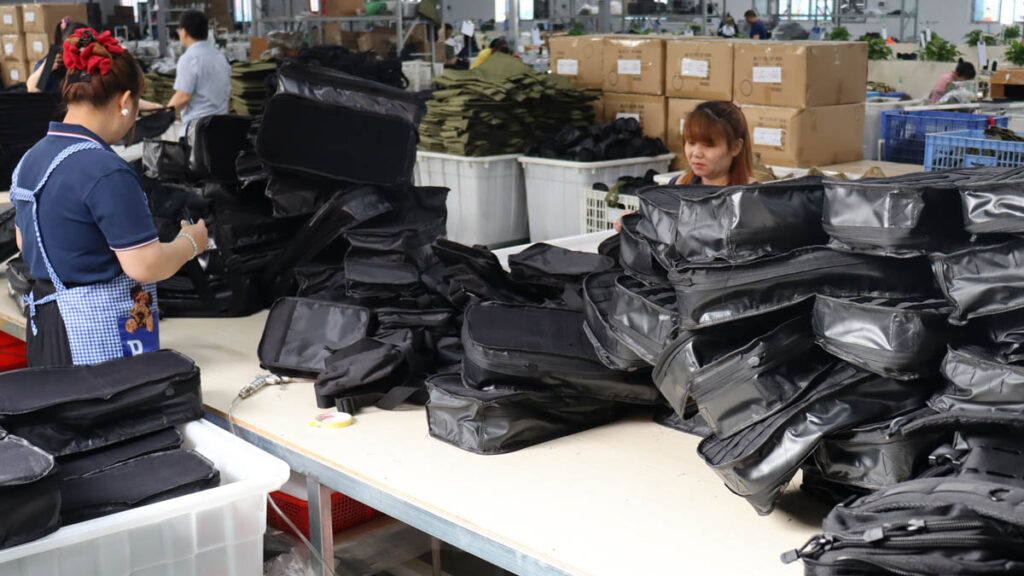
Many new brands focus too much on getting the cheapest sample price.But in real production, the sample fee is usually not the biggest cost.The expensive part comes later when the structure keeps changing, materials need to be replaced, or the factory has to remake patterns again and again.
This is why low-cost sampling sometimes leads to higher total project cost.
Materials decide more than most brands realize
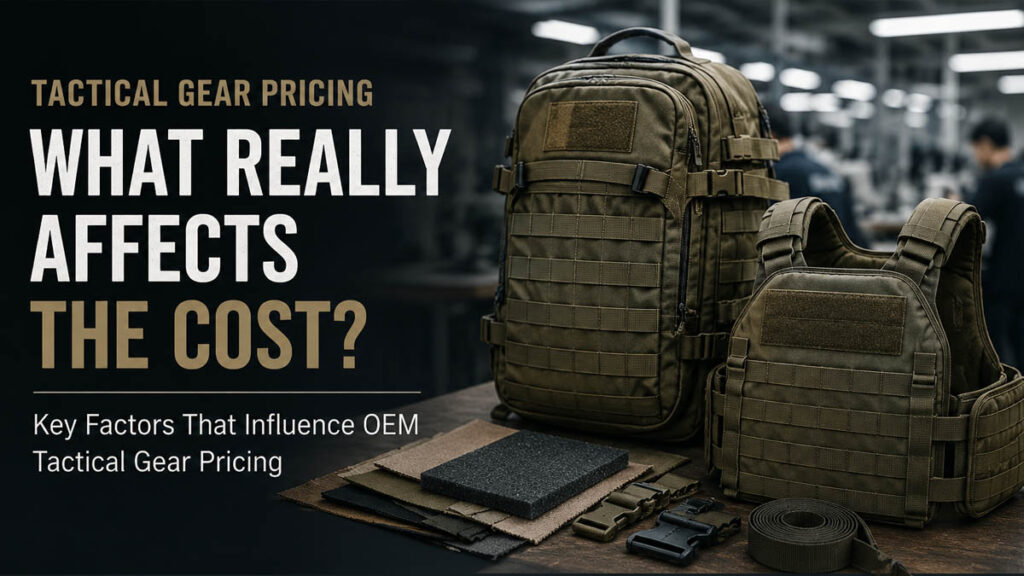
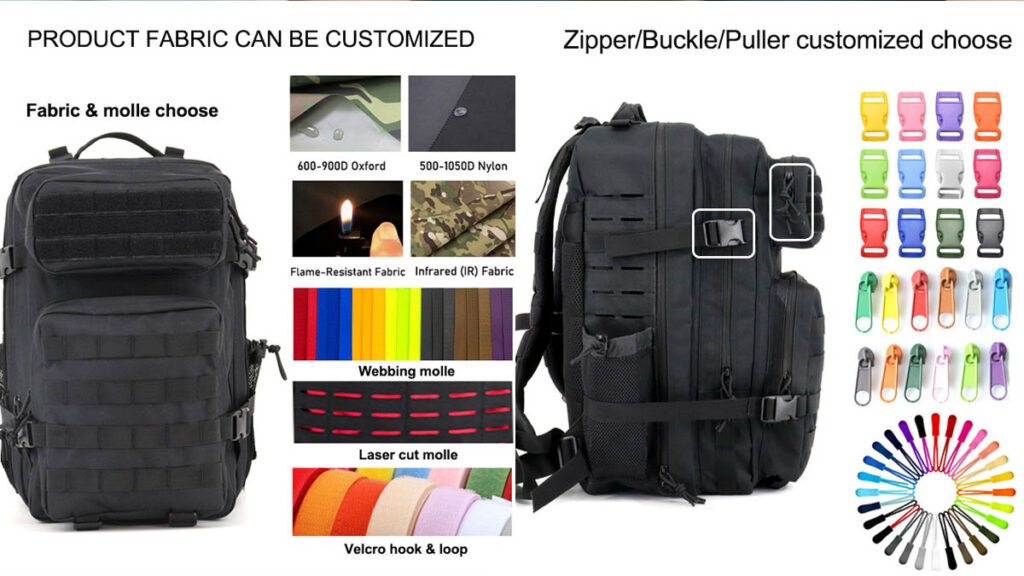
A tactical backpack may look simple from outside, but materials decide a huge part of the final result.500D and 1000D nylon behave differently. Different webbing thickness changes load performance. Different buckle quality affects long-term durability.
From factory experience, material confirmation is one of the biggest reasons projects get delayed.In many OEM projects, material-related waiting can take up 30% to 50% of the total development timeline.
Factories execute production, they do not define the product for you
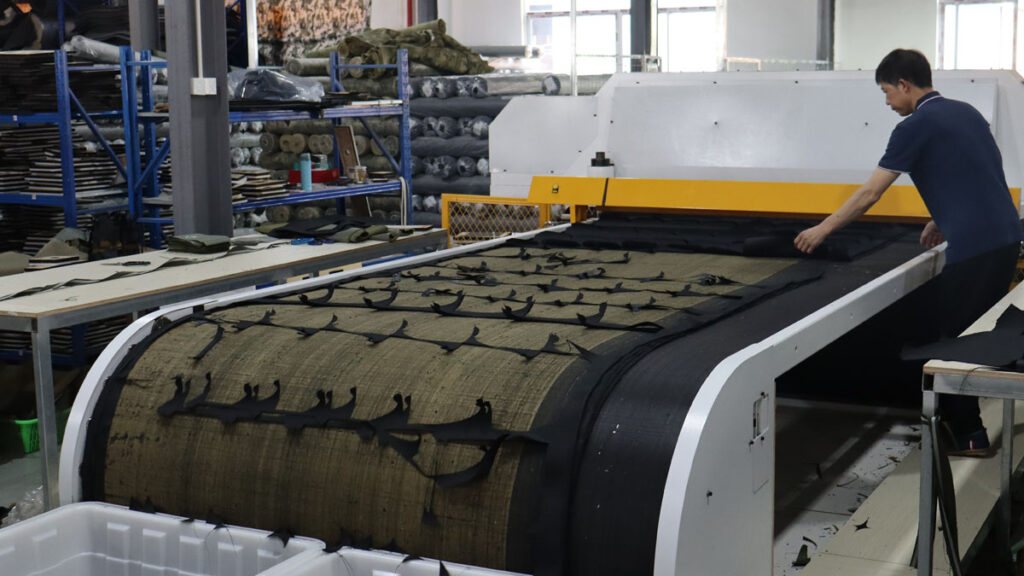
A lot of new brands expect factories to “figure things out” during production.But factories mainly execute instructions. If the direction changes constantly, the project becomes unstable very quickly.The smoother projects are usually the ones where the product direction is already clear before development starts.
The tactical brands that scale faster are not always the ones with the biggest budget.Usually they are the brands that understand how factory workflow actually works. They know when to change things, when to stop revising, and how to make decisions earlier.That saves both time and cost during production.
FAQ
Most delays come from material waiting, repeated sample changes, or unclear product direction before production starts.
Trying to push production forward before the structure and materials are fully confirmed.
Because factories execute production based on confirmed details. Unclear input usually creates unstable results.