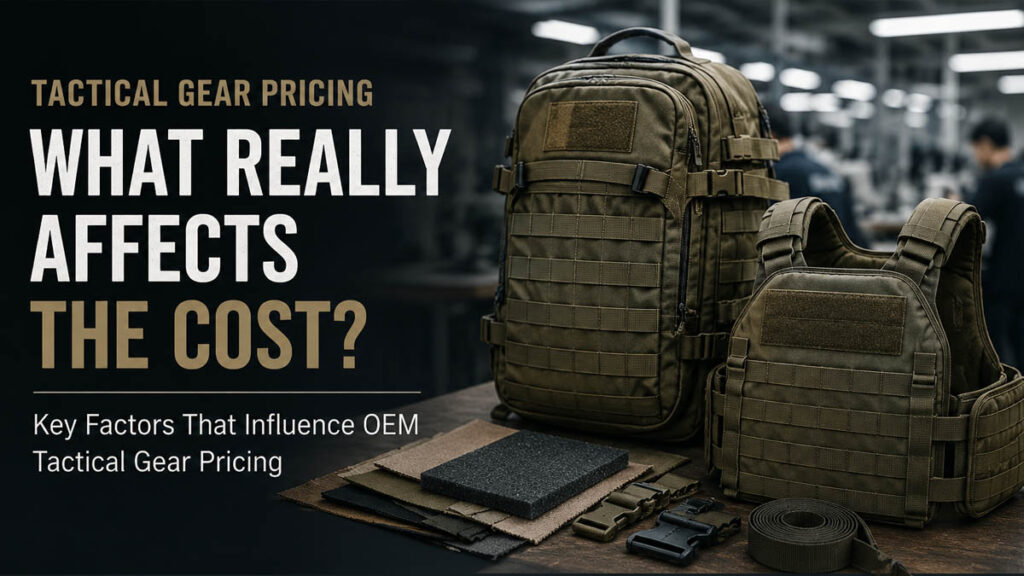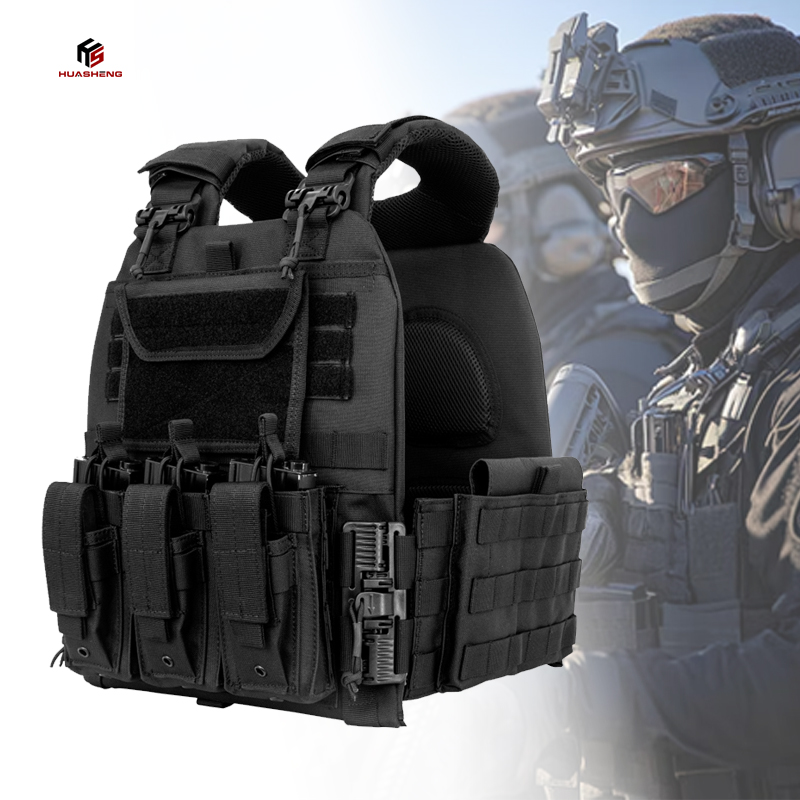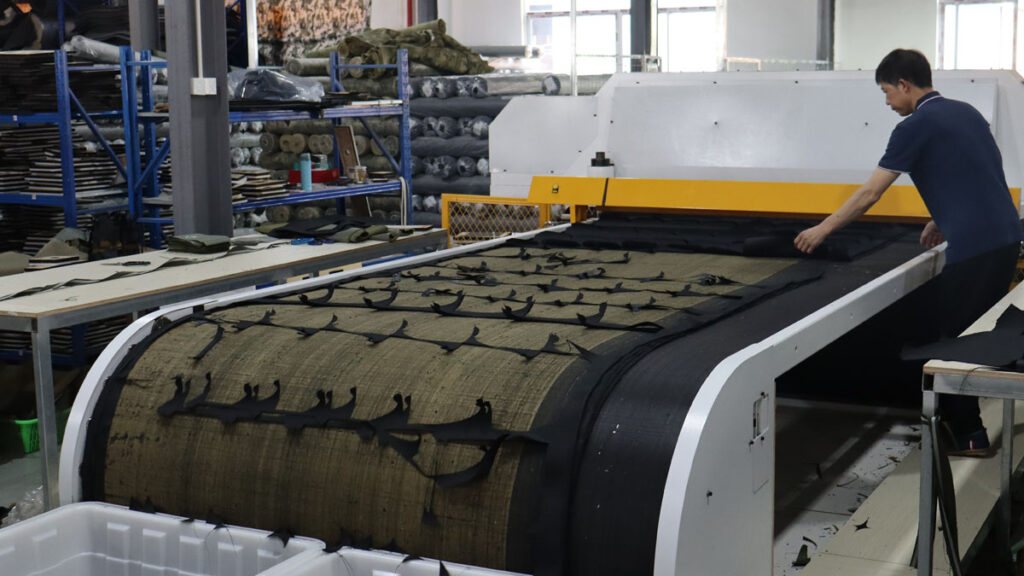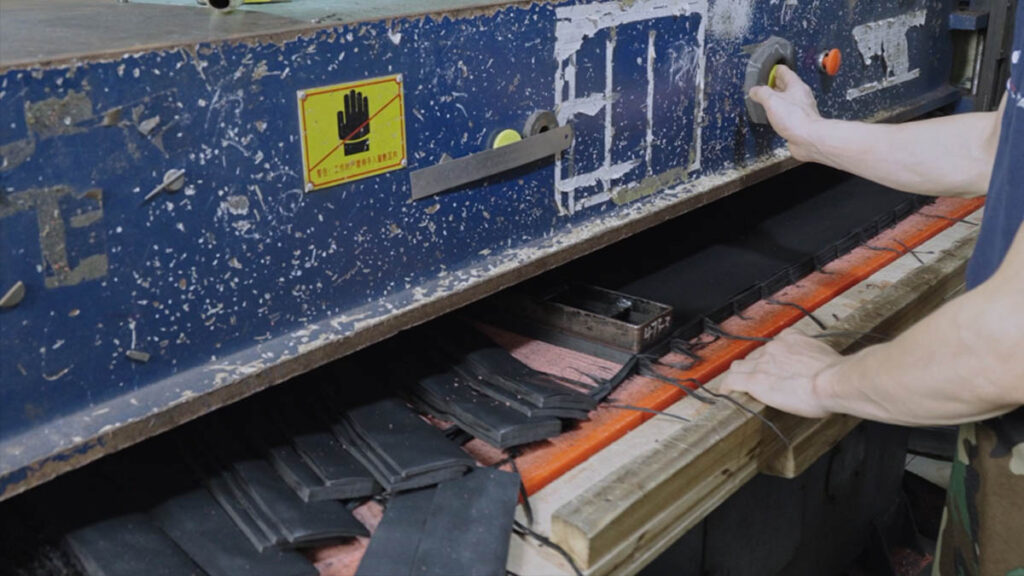
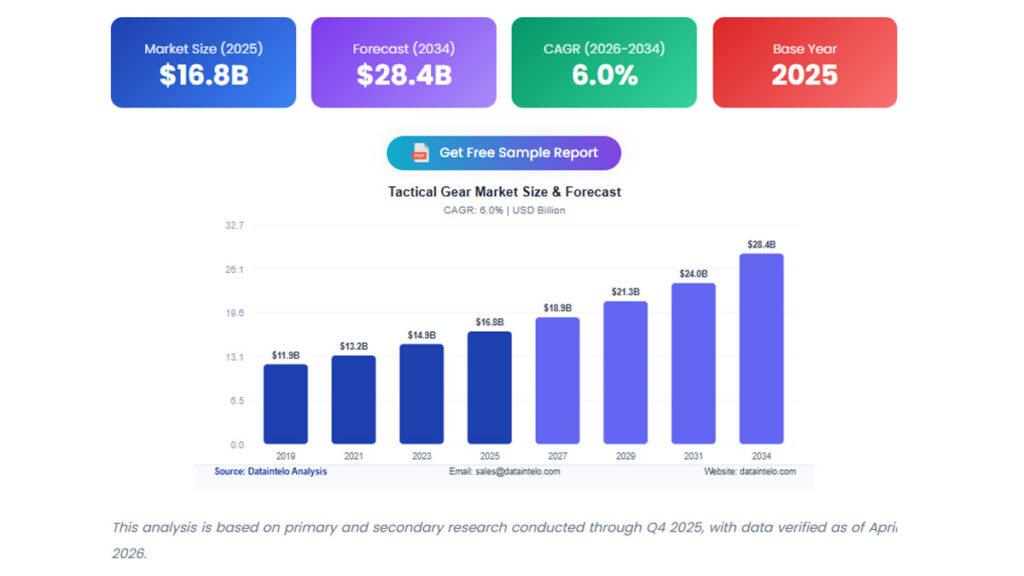
The market is growing, but making money is not easy
Most reports put the global tactical gear market somewhere around $16–18 billion (2024–2025).
Some research like Grand View Research and similar industry summaries also place the CAGR at around 4%–6%.
On paper, that looks like a healthy market.
But when you look at actual retail behavior, the story changes.
A tactical backpack on Amazon can range from $25 to over $150, sometimes even higher depending on branding.
Same category. Completely different economics.
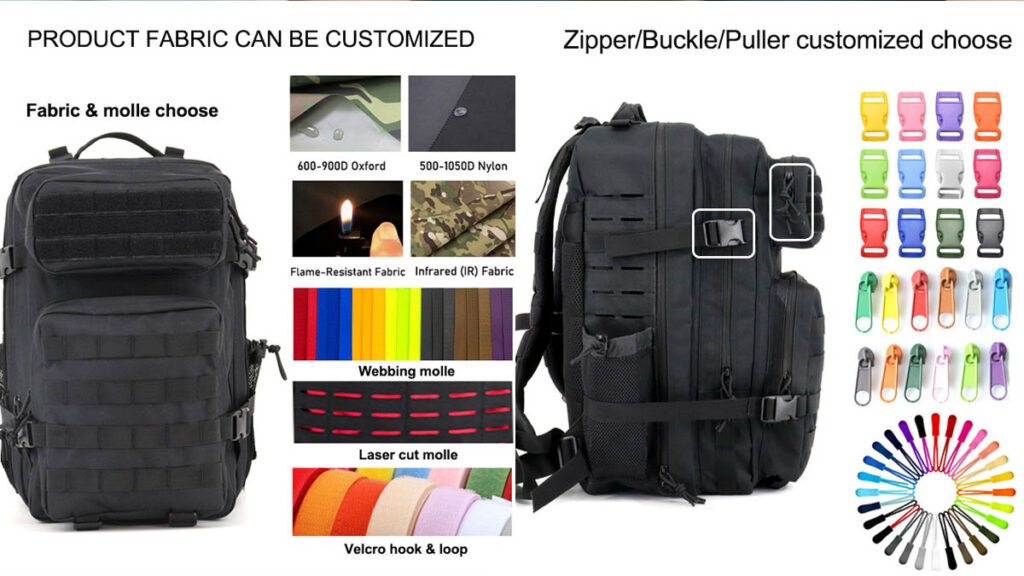
Buyer types in this market
Not theory—this is based on real sourcing and production cases.
| Type | Simple description |
|---|---|
| Low-Price buyers | This group cares most about price. They ask: “How much?”, “Can it be cheaper?”, “Do you have stock?” Products are usually $25–40. Too many similar products, so price becomes the main game. |
| Brand buyers | This group thinks more about users. They ask: “Who is this for?”, “Can we build a series?” Price is usually $60–150. They care about product design and steady quality. |
| OEM / factory | This group does not sell products directly. They make products for brands. Orders are usually 50–300 pcs per style. Profit per unit is lower, but orders are more stable. |
Same product, very different profit
In this industry, same product but very different profit.
Some sell a backpack at $35 and make very little profit.
Others can sell the same type for $120+.
The product does not change. The way it is used in business changes.
Some treat it as stock, some as a brand, some as a system.
What the data really shows
If we put price, margin, and market data together, it is not about profitable or not.
It is about where the money is in the system.
Some make 10–20% margin, some reach 40–60% gross margin, some trade margin for stable orders.
That’s why results are very different.
Real market cases
A practical way
Final Point
It’s not about profitable or not.
It’s about where you are in the system.
Some stay in low-price area, some move up slowly.
That’s the real difference.
FAQ
How to start a tactical gear brand step by step?
Start with a clear market, test one product, validate demand, then scale.
Is tactical gear a profitable business?
It can be profitable, especially in growing segments like outdoor and fitness.
Who buys tactical gear?
Mainly everyday users, outdoor users, and gear enthusiasts.
What products should new brands start with?
Simple, functional products like vests, bags, or belts.