If you’re thinking about starting a tactical gear brand, the first challenge is usually not production—it’s figuring out what actually sells.
From what we’ve seen, many new sellers don’t struggle because the market is small. They struggle because they enter it without a clear direction—too many products, no clear user focus, and no real testing before scaling.
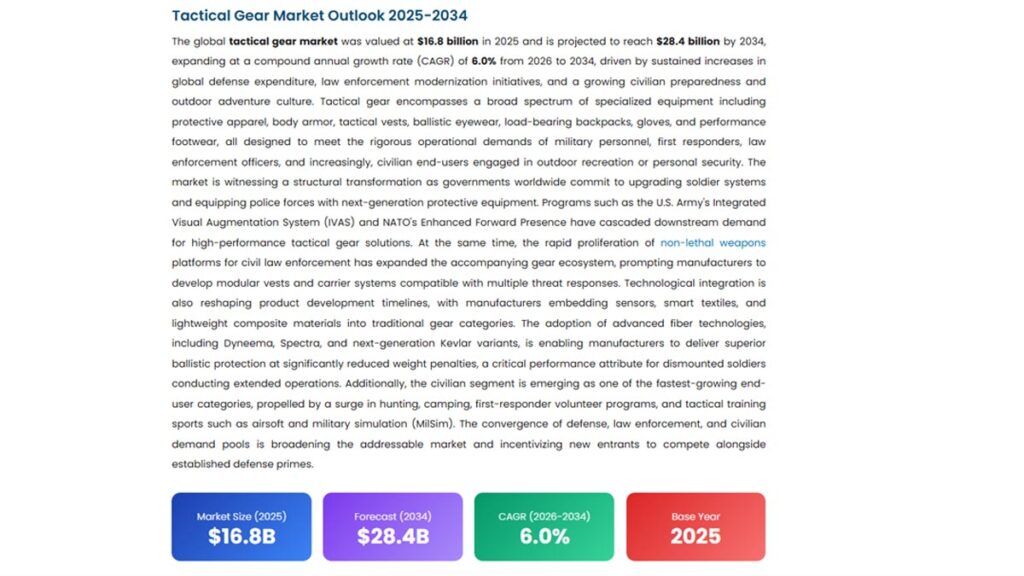
At the same time, the market itself is still growing. According to a 2026 industry report from DataIntelo, the global tactical gear market reached about $16.8 billion in 2025 and is expected to continue growing at around 6% annually over the next decade.
Another report from 6Wresearch estimates a more conservative range, projecting the market from $5.2 billion in 2024 to $8.7 billion by 2031, driven by outdoor demand, safety awareness, and material upgrades.
👉 So the real question is not whether the market works. It’s how you enter it without wasting time and inventory.
Quick Answer
To start a tactical gear brand, focus on four steps: choose a clear target market, start with one or two core products, validate demand with small batches, and work with a flexible manufacturer. This approach reduces risk and improves long-term success.
Who Actually Buys Tactical Gear
There isn’t really “one type” of tactical gear customer. In most cases, it depends on how people use the product.
| Segment | Typical Users | Main Needs | Common Products | Market Characteristics | Recommended Entry Strategy |
|---|---|---|---|---|---|
| Everyday Functional Users (EDC / Urban) | Office workers, commuters, urban consumers | Practicality, organization, durability | Backpacks, sling bags, utility pouches | Large and stable demand base; consistent sales across markets | Best entry point for new brands. Focus on versatile, multi-use products that fit daily scenarios. |
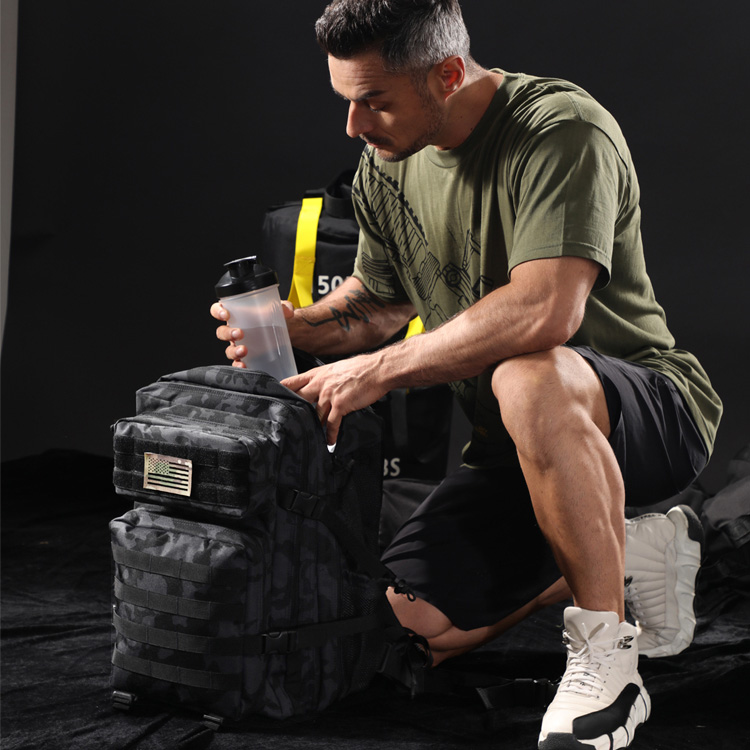
| Outdoor & Training Users | Outdoor enthusiasts, hikers, fitness users | Comfort, load distribution, durability | Weighted vests, backpacks, training gear | Fast-growing segment driven by fitness and outdoor trends | Good for differentiation. Suitable after initial validation or for brands targeting niche growth. |
| Tactical Enthusiasts & Hobby Users | Gear enthusiasts, airsoft players, hobby communities | Design, modularity, identity and style | Tactical vests, belts, modular systems | Niche market but highly engaged and brand-loyal users | Higher barrier to entry. Requires strong product identity and brand positioning. Not ideal for first-time launches. |
In reality, the most stable demand usually comes from everyday users. Outdoor and training demand is growing faster, but it’s still more sensitive to trends.
Brands like GORUCK grew by tying products to training use. 5.11 Tactical expanded from professional gear into more everyday applications.
The real takeaway is simple: good products usually sit across multiple use cases, not just one.
Start Small, Test, and Supplier Side
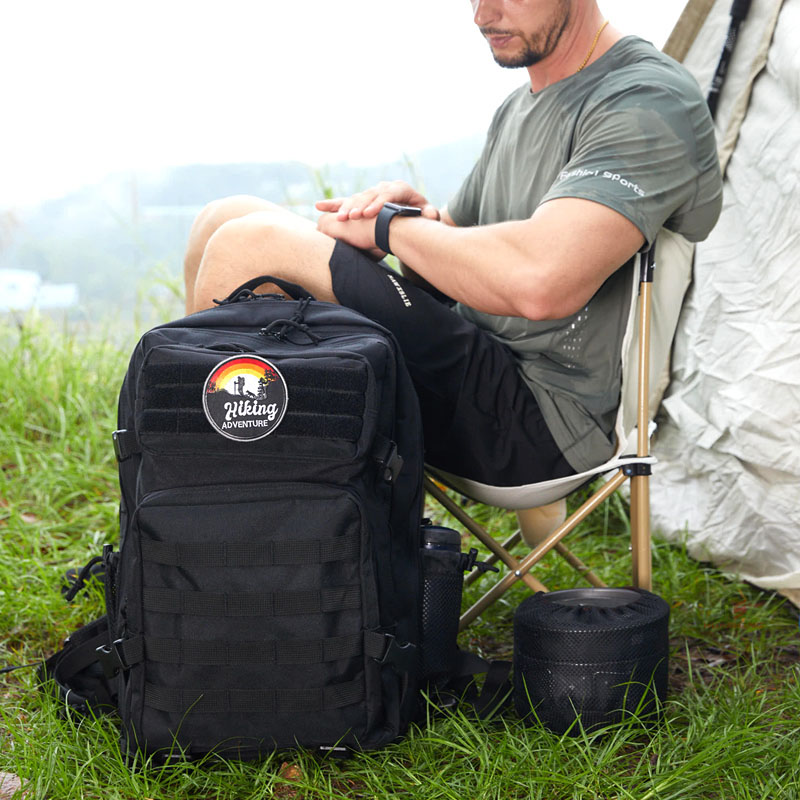
A lot of brands make things too heavy at the start. They want a full lineup from day one, but that usually creates more problems than clarity.
A more workable way is simple:
Start with one main product, maybe one supporting item, and don’t overthink variations.
Most first orders in real cases sit around 50–150 pcs per style. It’s not a target, just a comfortable range to test without too much pressure.
At this stage, you’re not trying to scale. You’re just watching what happens.
Clicks with no purchases. One-time orders. Flat traffic. These things already tell you a lot.
You don’t need a complicated system to see that. A small batch, a basic page, and some traffic are enough.
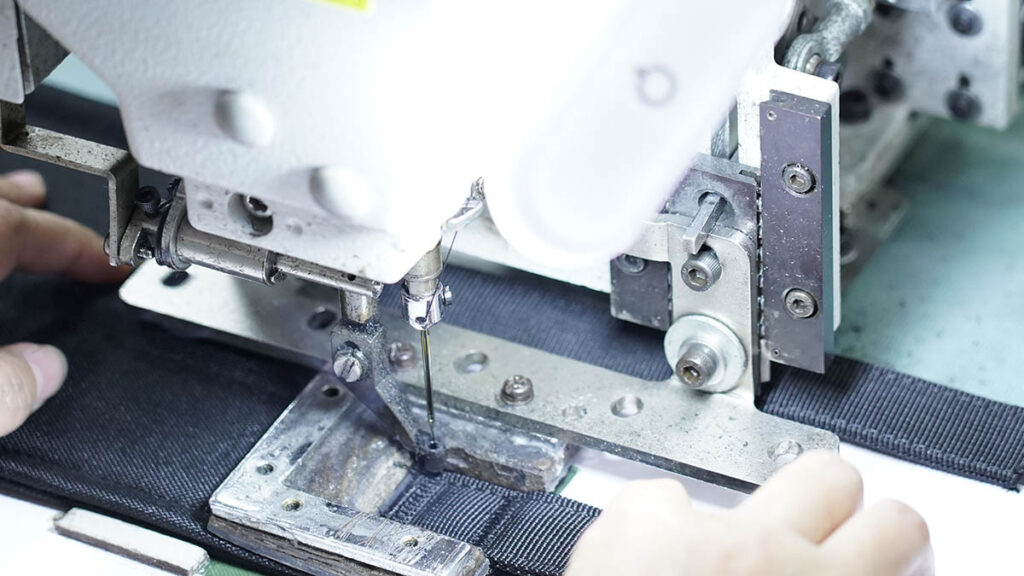
The supplier side is often underestimated.
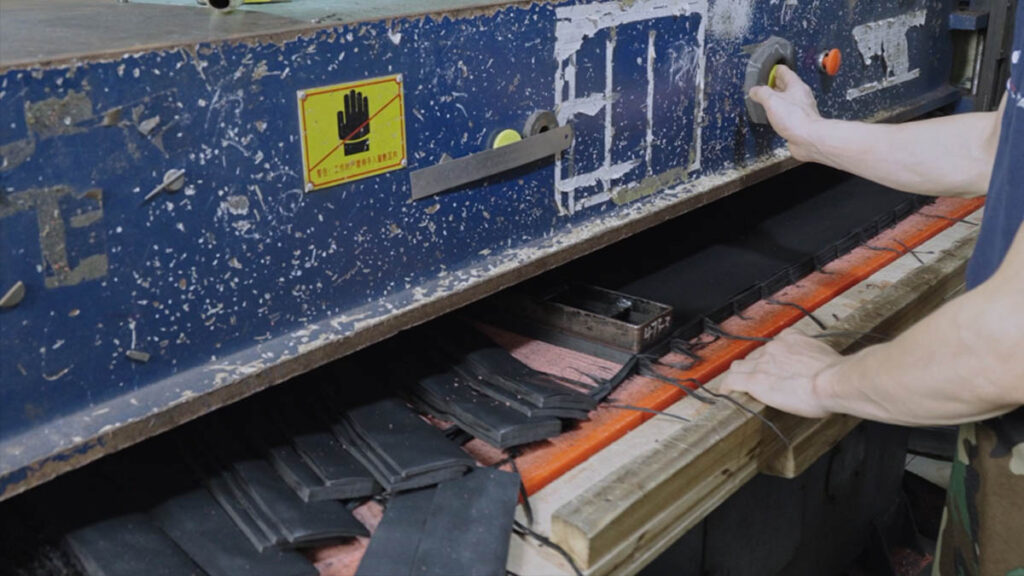
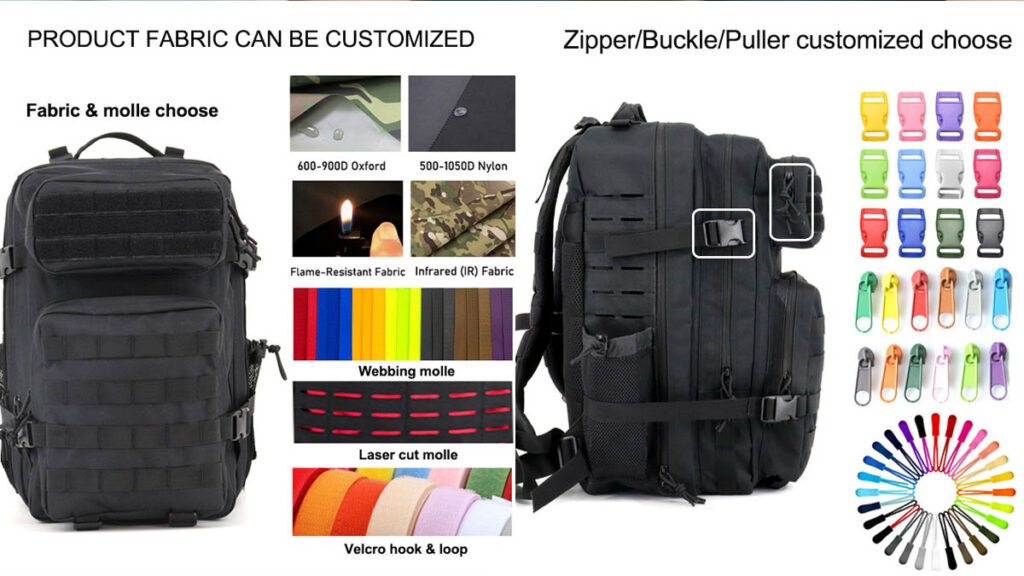
Early on, suppliers are not just production—they affect how fast you can adjust.
What really matters is not price, but whether they can keep up:
- small MOQ without resistance
- quick sampling (around a week or so)
- flexible adjustments without restarting everything
Some factories are great—but only when everything is already stable.
Final Thought
Starting a tactical gear brand is not really about speed. It’s more about not rushing into the wrong structure.
Most workable paths look like this:
market → small launch → test → adjust → scale
The brands that survive are usually not the ones that got it right immediately.
They’re the ones that kept adjusting until it worked.
FAQ
How to start a tactical gear brand step by step?
Start with a clear market, test one product, validate demand, then scale.
Is tactical gear a profitable business?
It can be profitable, especially in growing segments like outdoor and fitness.
Who buys tactical gear?
Mainly everyday users, outdoor users, and gear enthusiasts.
What products should new brands start with?
Simple, functional products like vests, bags, or belts.